Science Communication Through the Arts
Exploring creative approaches to communicating science, place, and environment
Art offers a different way of seeing, experiencing, and communicating the world around us. Through courses, creative collaborations, and community-based experiences, we explore how artistic expression can open new pathways for engaging with scientific ideas and environmental issues.
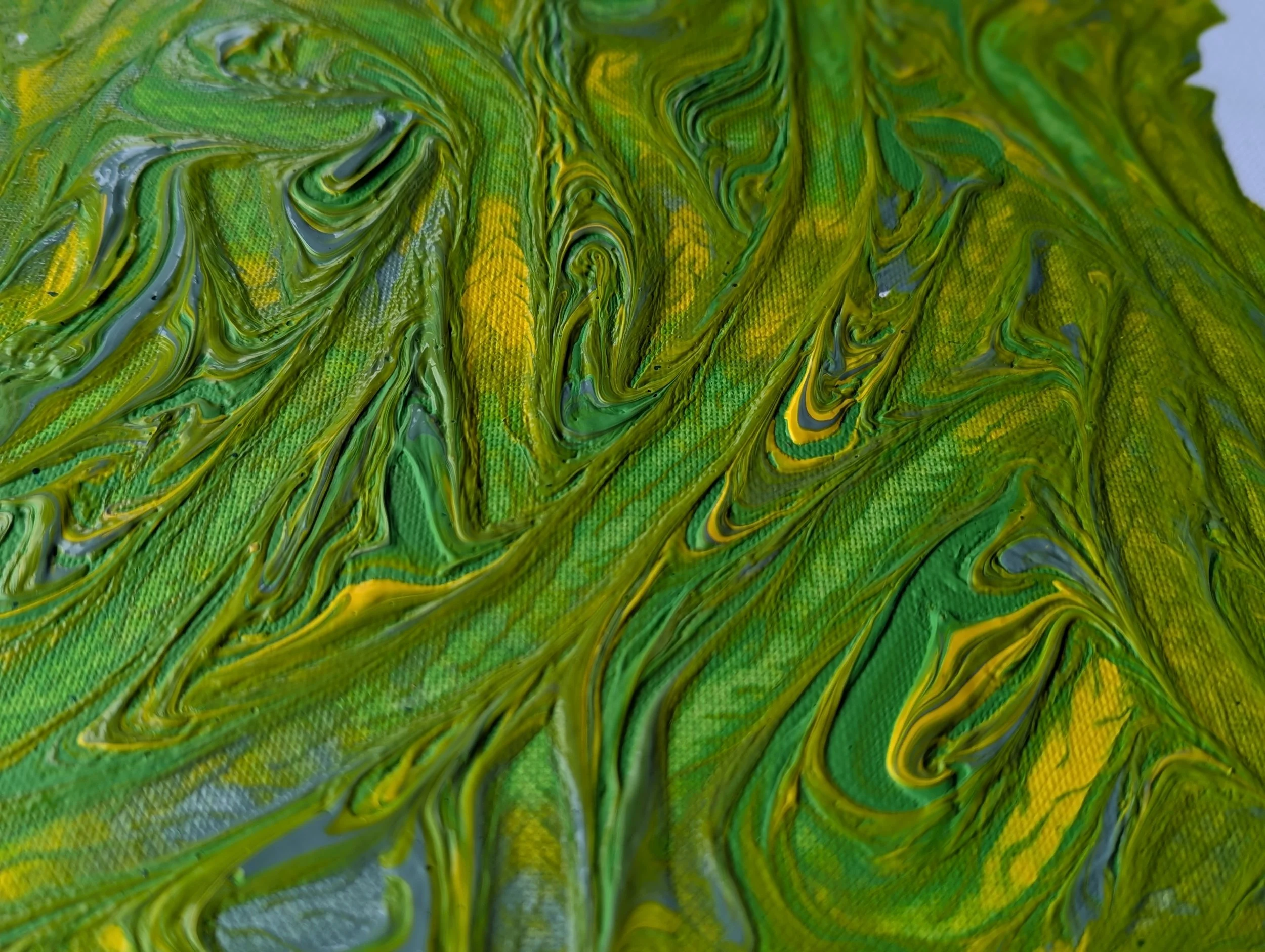
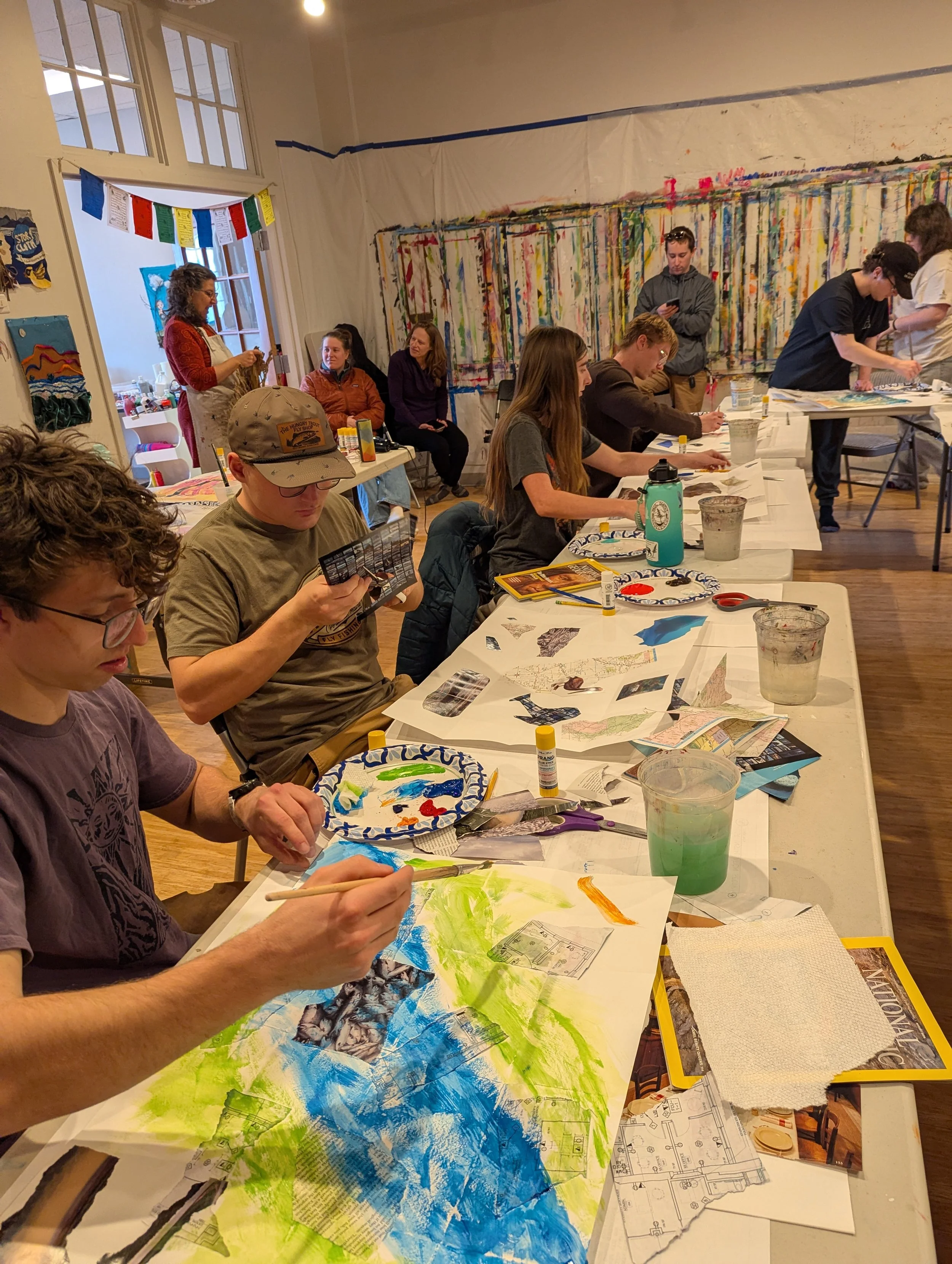
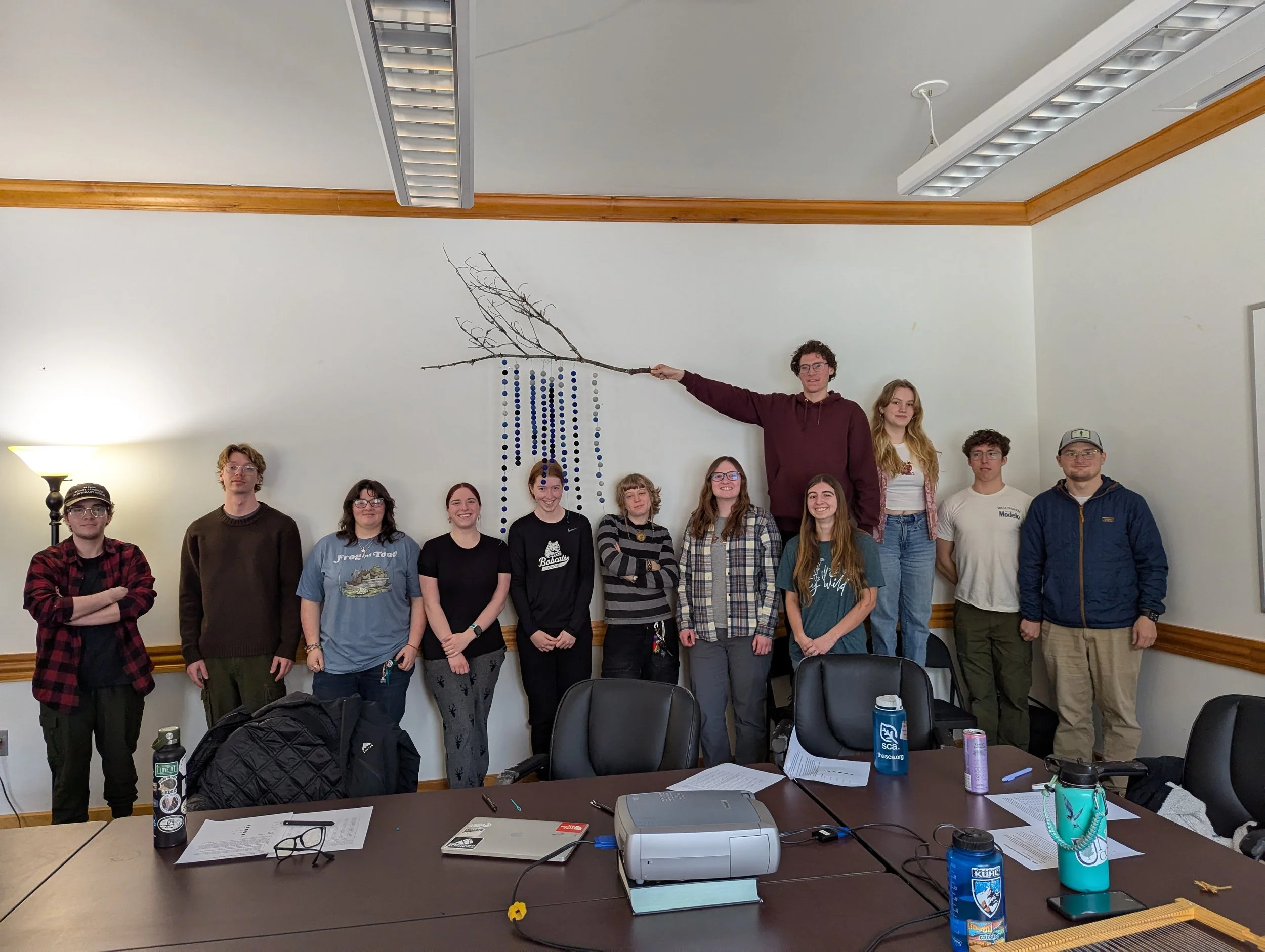
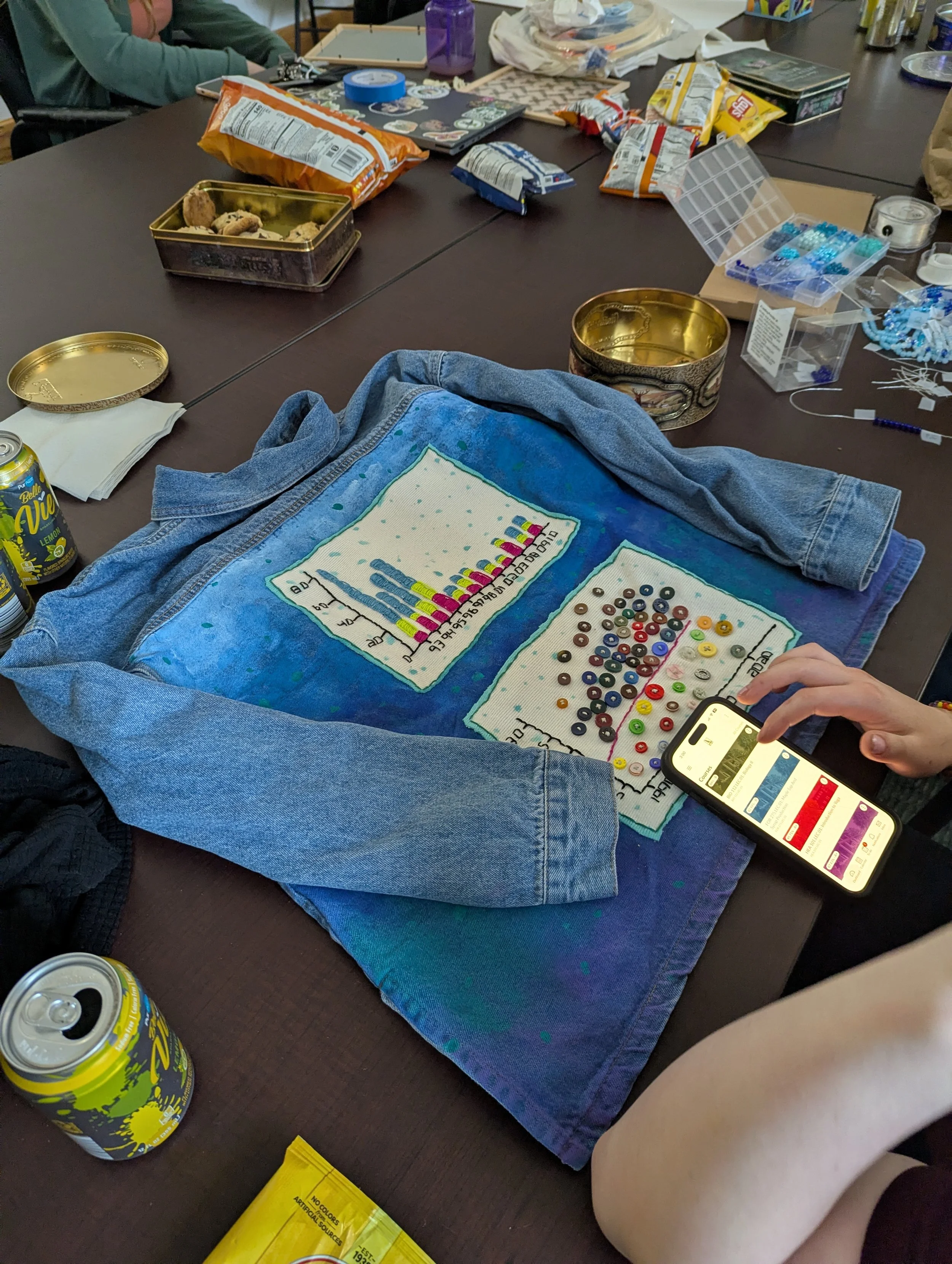
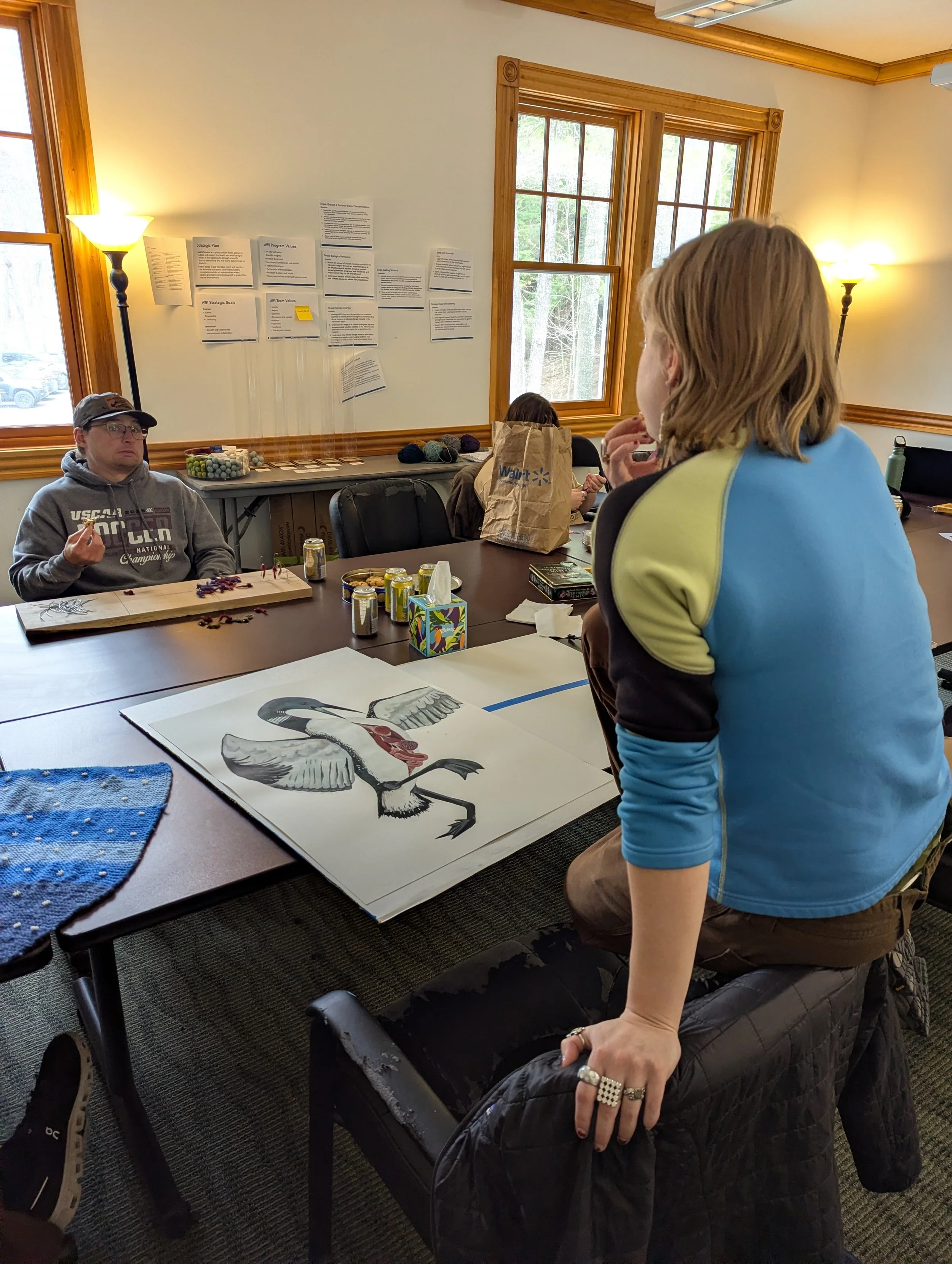
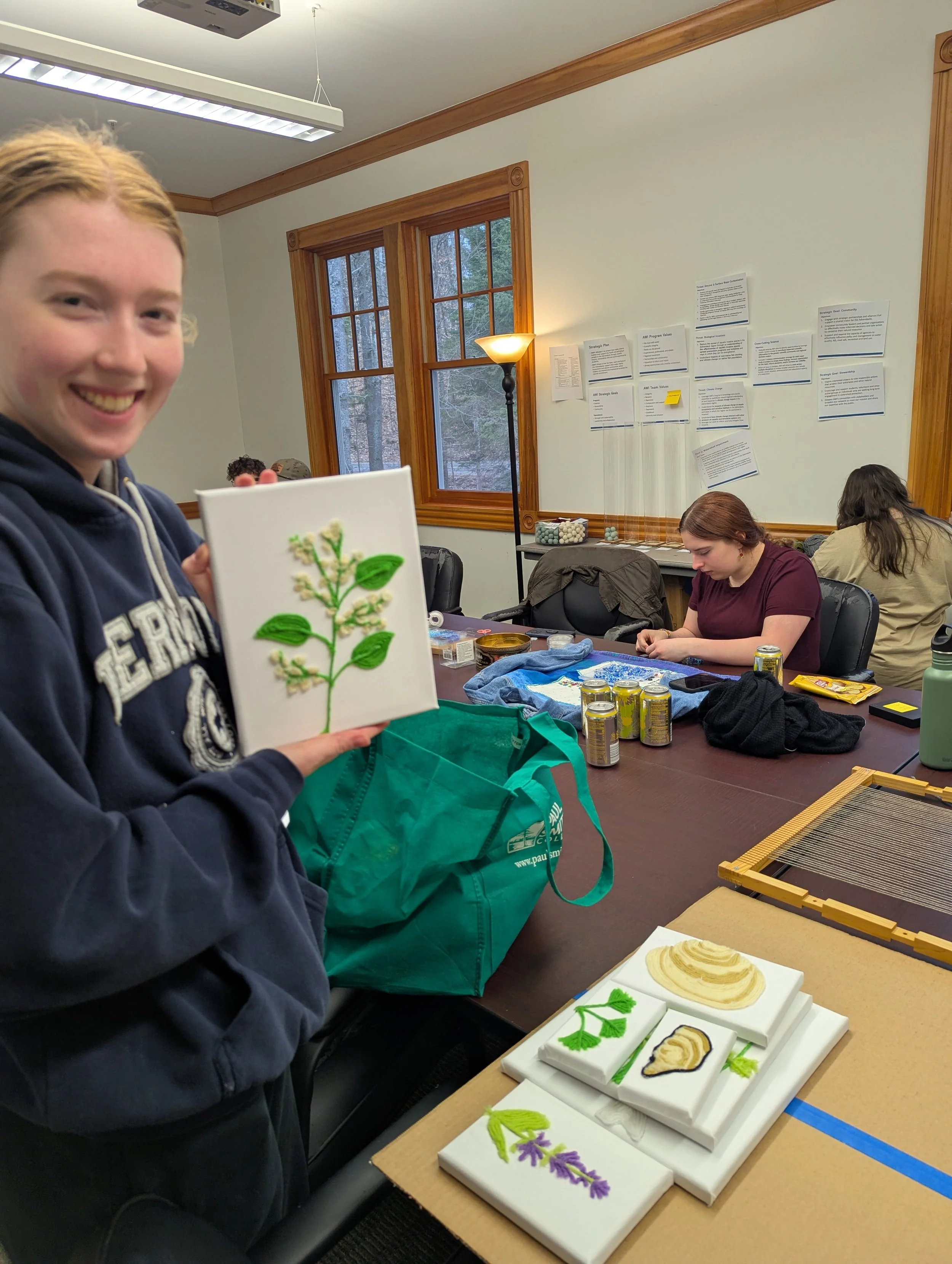
Inspired by our Wool & Water project, this initiative brings together students, artists, scientists, and community members to explore the intersections of science, creativity, and communication. This approach took shape in a course at Paul Smith's College, Science Communication Through the Arts, where students explored the intersections of science, creativity, and communication through hands-on experiences, visiting artists, and the creation of original artwork. The course was supported by the Lake Champlain Basin Program and each student developed an original art piece focused on a topic of their choosing related to the Lake Champlain Watershed.
Take a tour of the gallery below and explore the work created through this course to hear from students in their own words about the many ways artistic expression can bring environmental science to life.

Student Artwork
Are you a teacher? Please reach out! We have developed workshops for all ages and would love to reach more students with Wool and Water.
Learning Together: Artists, Students, and Place
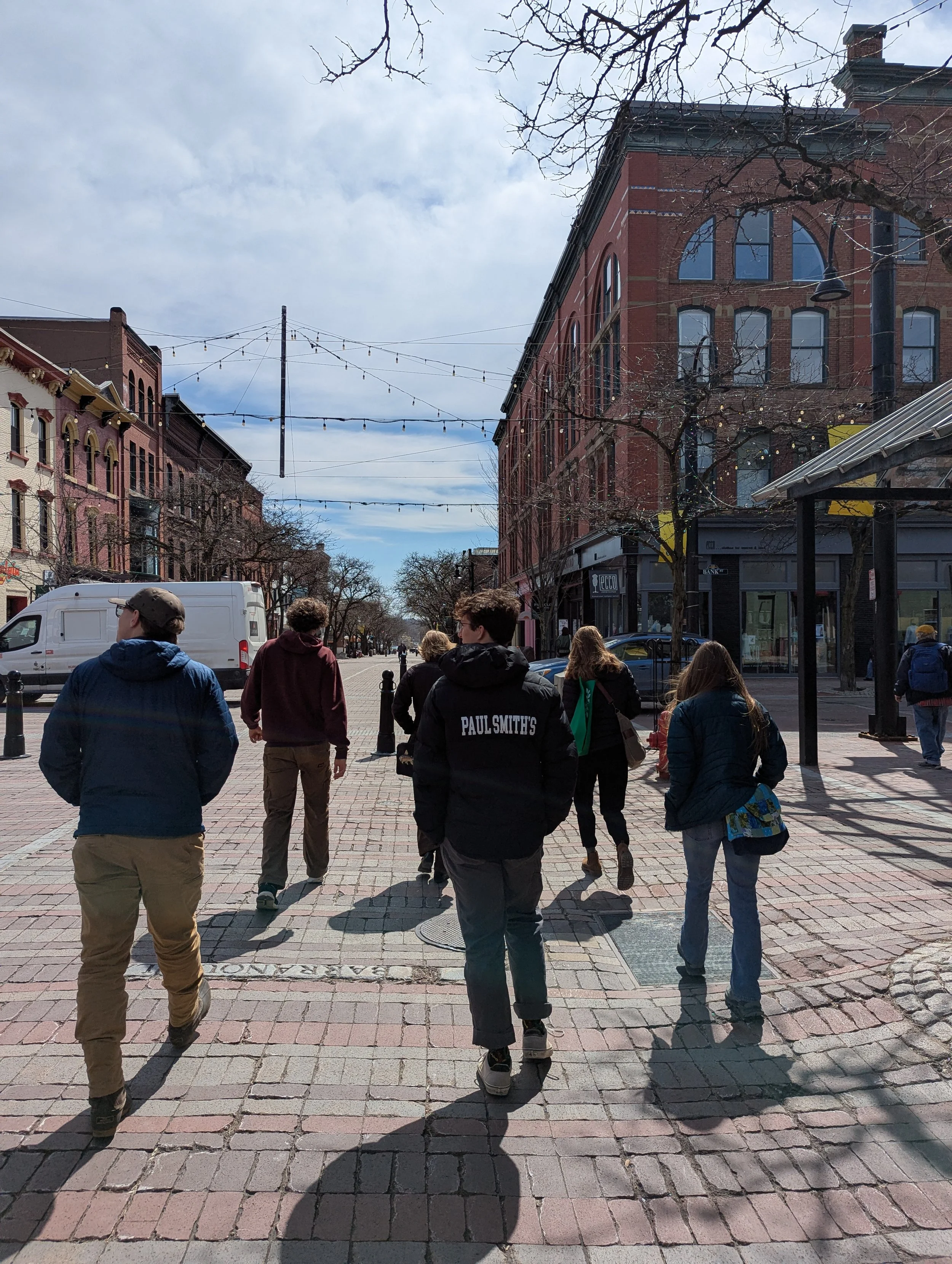
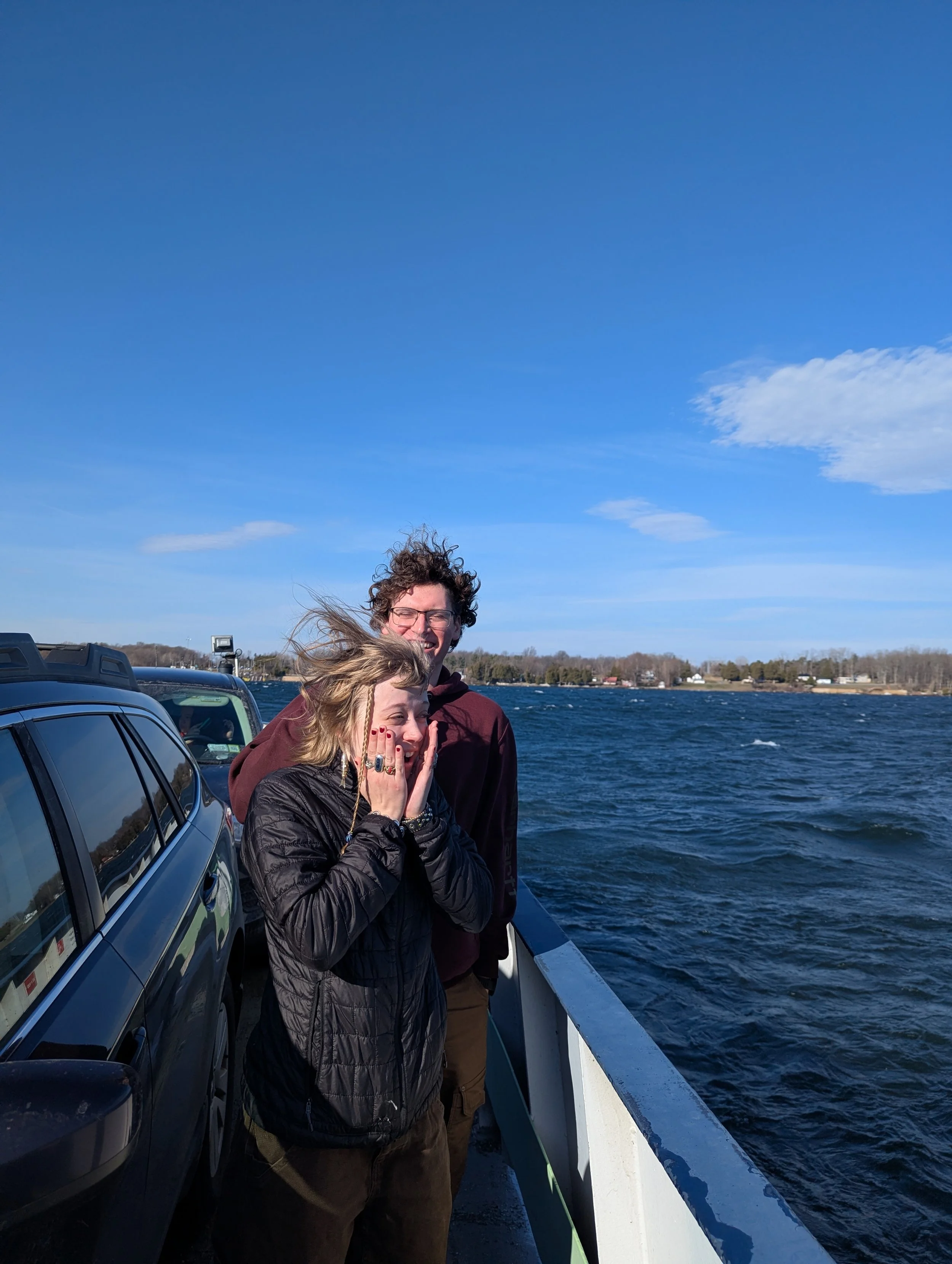
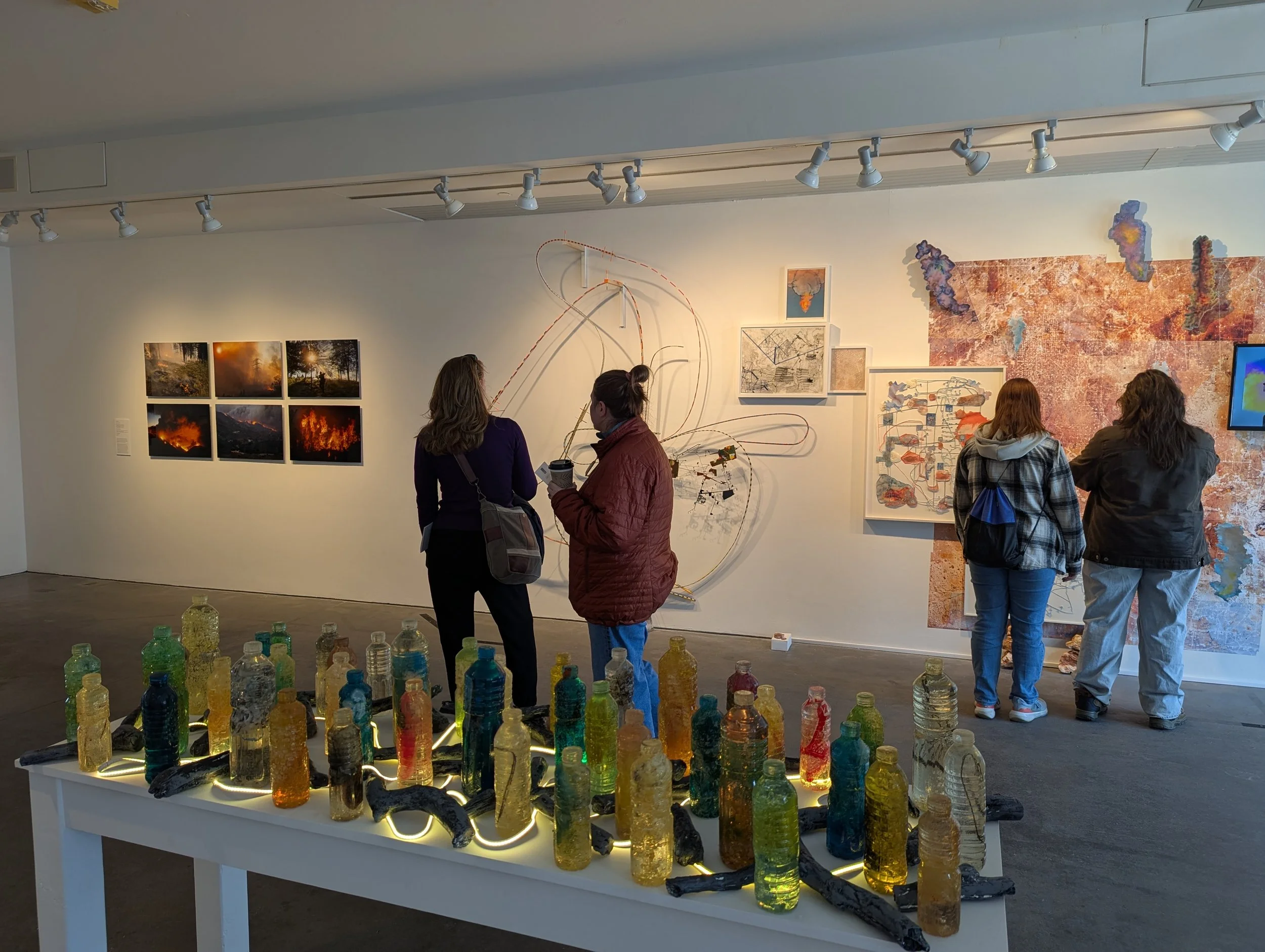
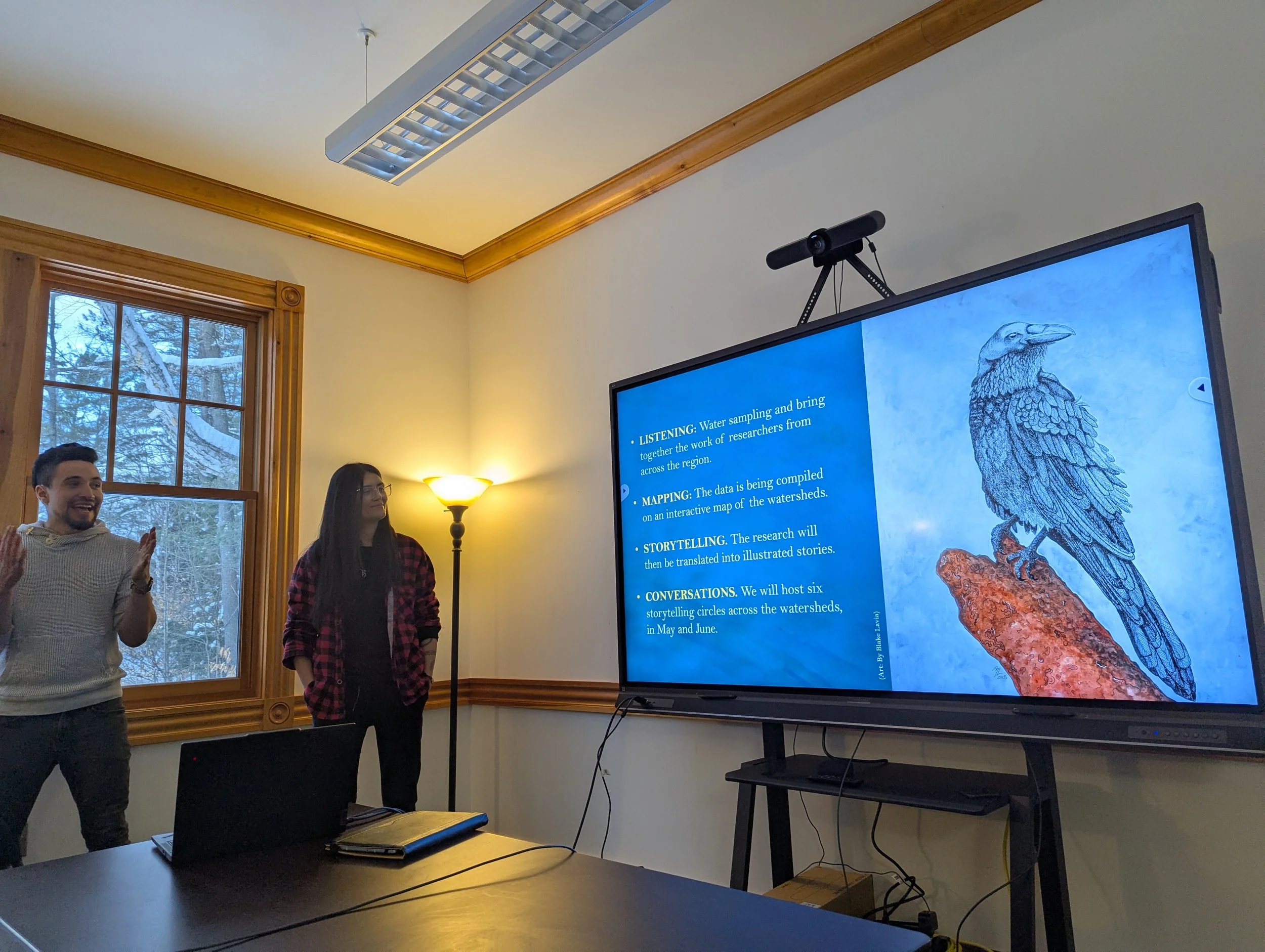
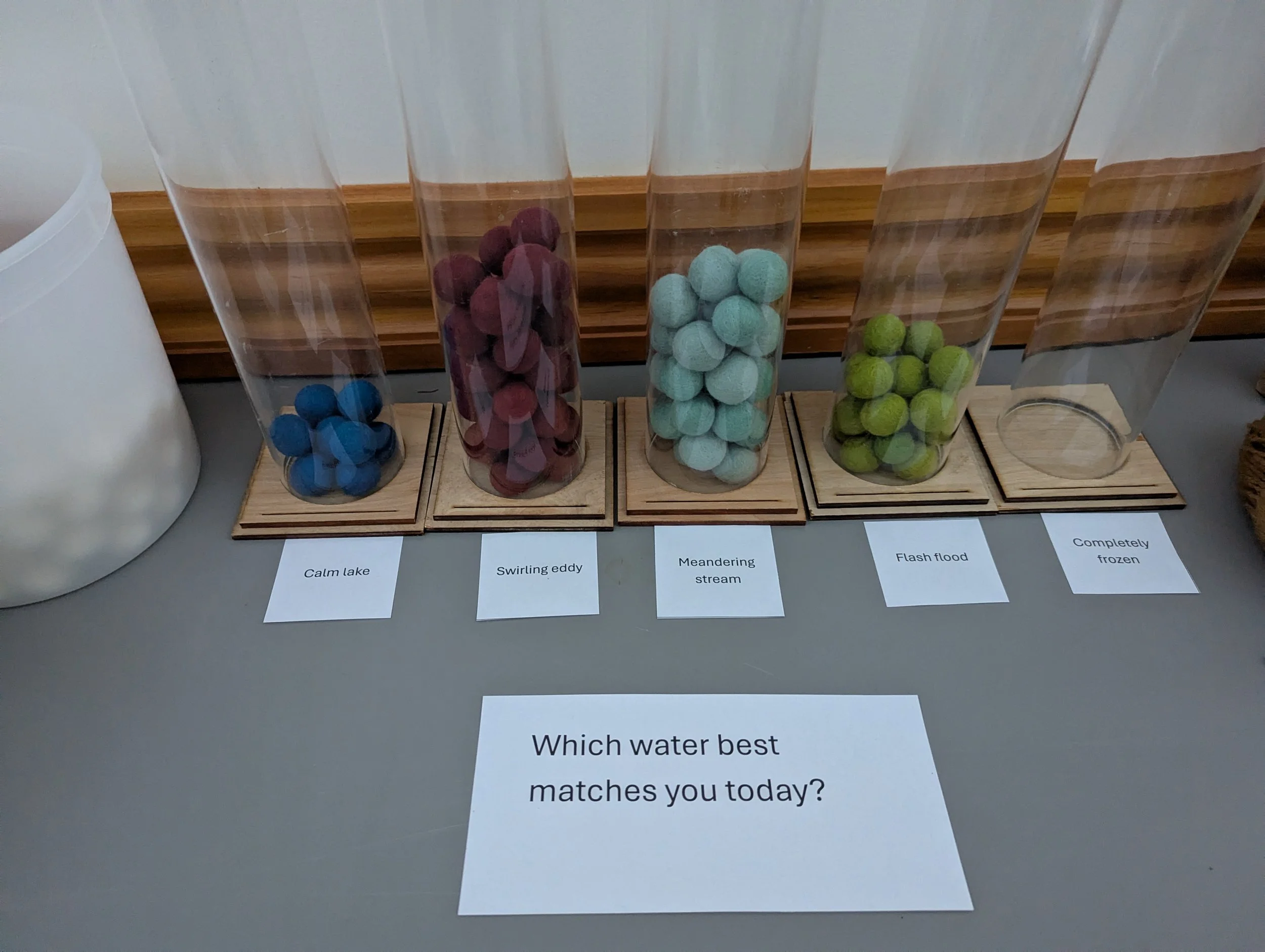
Experiences beyond the classroom, along with opportunities to learn from practicing artists and professionals, offer invaluable sources of inspiration. As part of the course, students traveled to the Champlain Valley for a day of exploration, visiting an art gallery and a science center, connecting with professionals in education and communication, and creating art of their own.
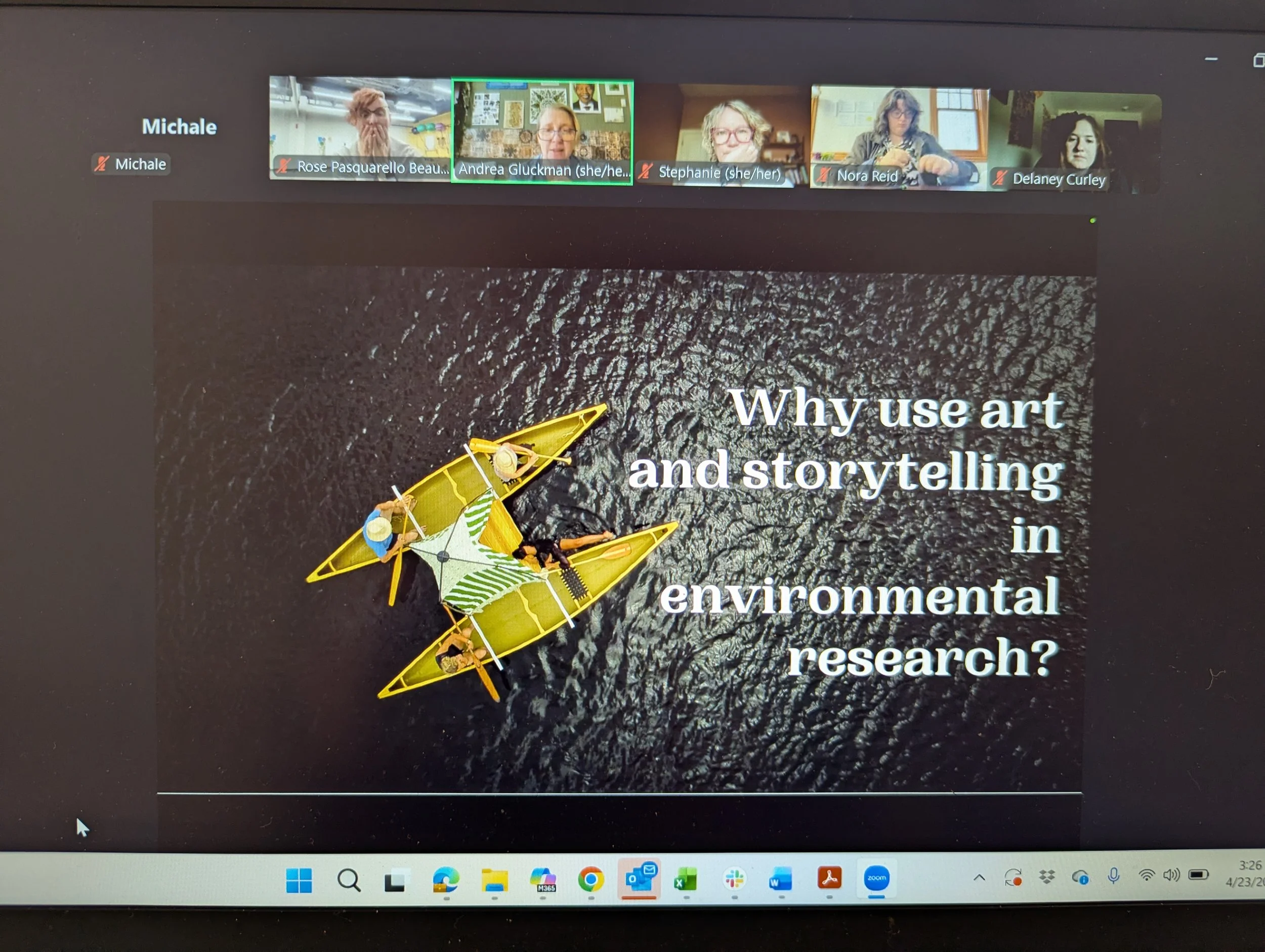
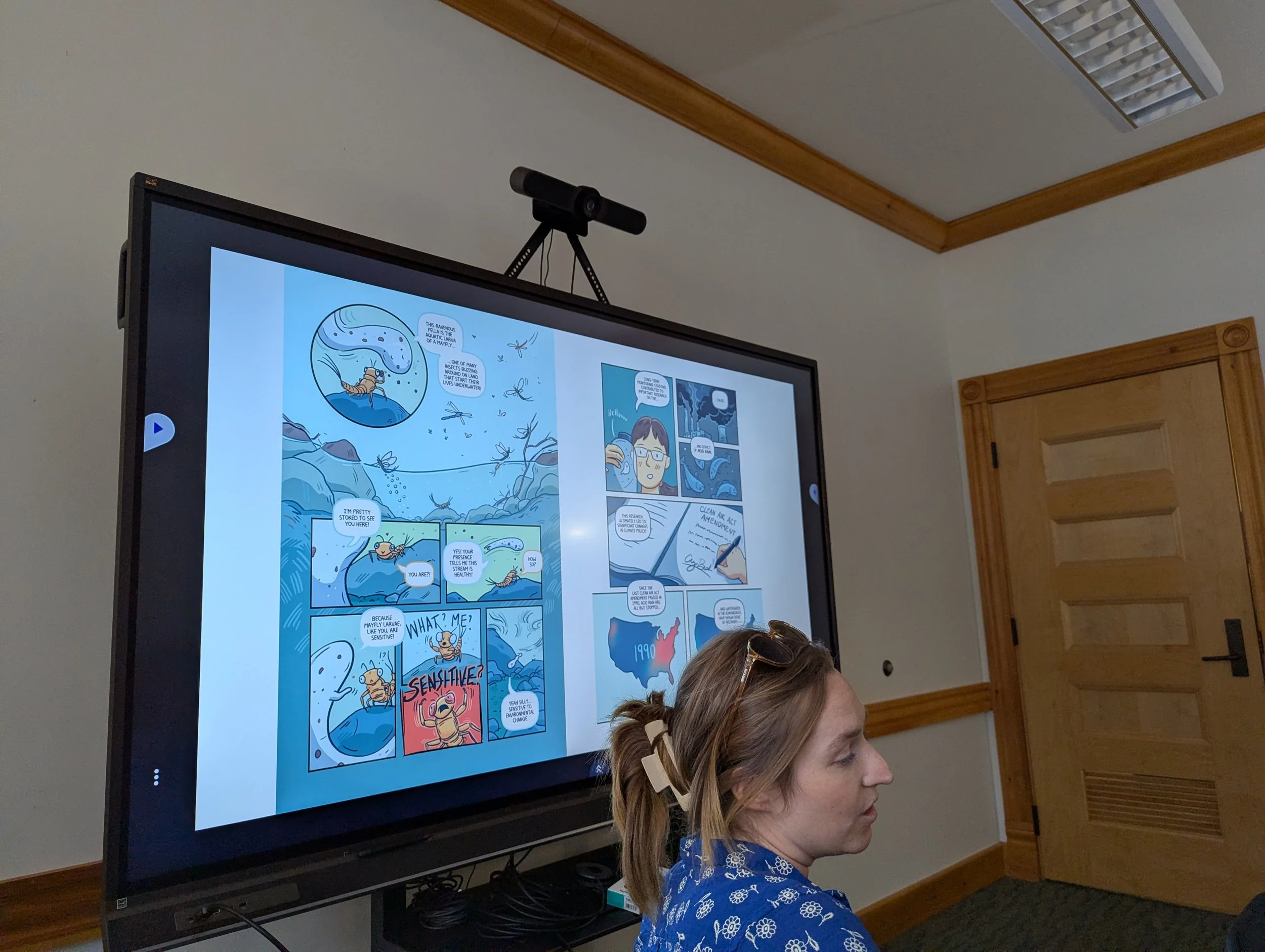
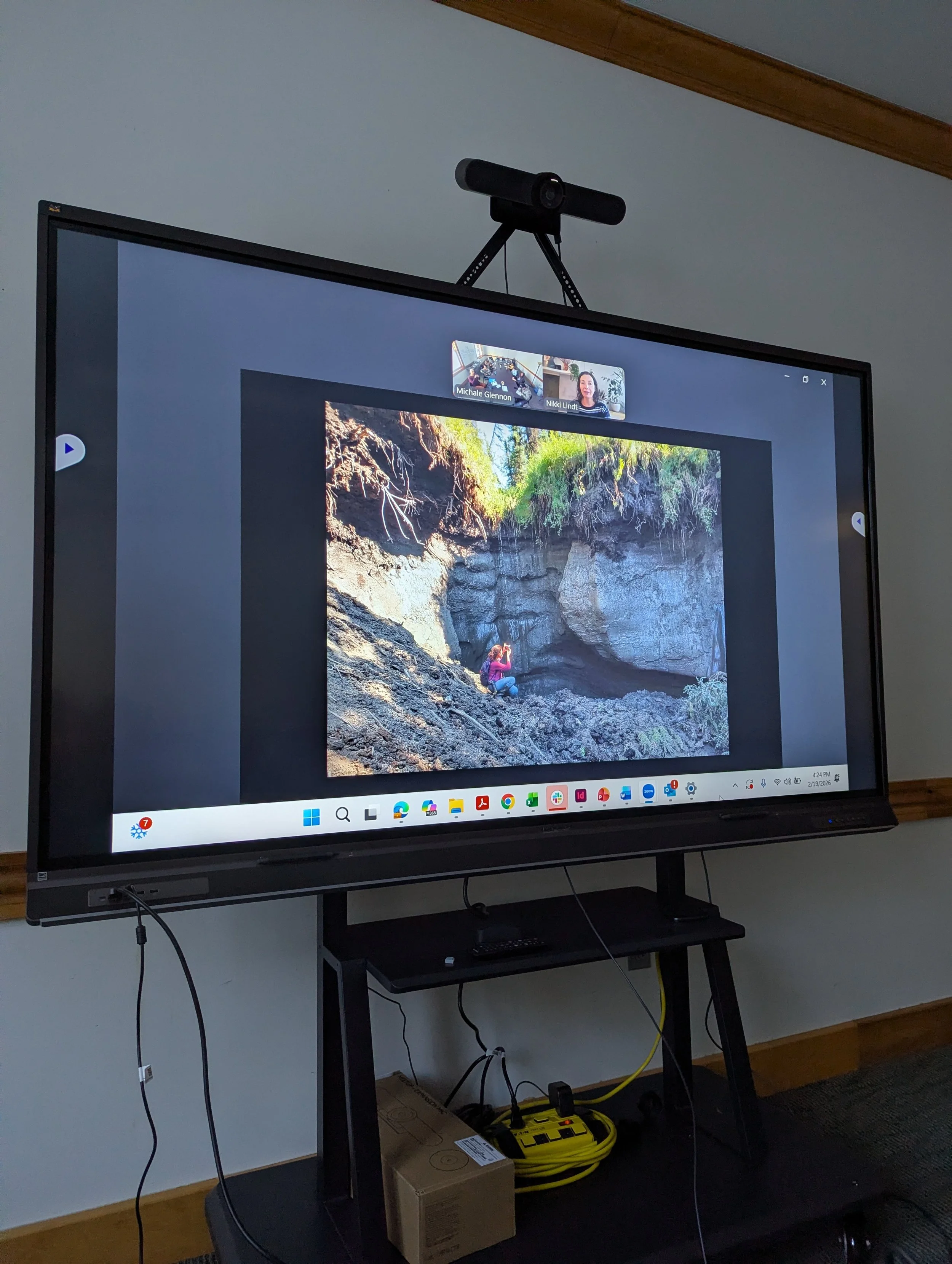
Throughout the course, visiting artists shared their creative practices, sources of inspiration, and powerful examples of environmental art. Through in-person visits and virtual conversations, students encountered a remarkable range of approaches: from making art out of road salt and listening to thawing permafrost, to communicating through comics, storytelling, illustration, dance, and performance. These experiences encouraged students to experiment with their own ideas and artistic mediums as they explored ways to communicate the challenges facing our environment and waterways.
Creative Voices and Approaches
We were fortunate to learn from the following artists and collectives, whose work offered students new perspectives on the possibilities of art as a form of science and environmental communication.
-
![]()
Nikki Lindt
Sound, visual art, and the changing Arctic landscape. Explore Nikki's work
-
![]()
02
Our analysts apply statistical methods, process mapping, and risk assessment tools to interpret collected information objectively.
-
![]()
03
We outline initiatives, resource requirements, and timelines in a structured roadmap.


If you are a fiber producer in the region, we would love to celebrate our regional producers by making a piece with your fiber.
What do I do with the piece when it’s finished?
That’s up to you! Your piece is yours to use however you might like. The Wool and Water exhibit moves around the region and we would love you to consider loaning and displaying your piece. All pieces have a home in the virtual gallery for anyone who would like to be included there. If you create something, we would love for you to let us know about it share some photos with us!
Wait, what if I can’t knit or crochet but I’m still interested?
Can you weave? Simple weaving with a DIY loom could work in lots of ways. We have also found many creative ways to use wool felt balls.
Do you want to learn to knit or crochet? We might be able to help there too, let us know. There are abundant resources for learning online also.
Are you a teacher? We have some ideas for simple projects and have done many workshops with students, please reach out to us.
What’s the best way to get in touch?
Start by emailing Michale at mglennon@paulsmiths.edu or by filling out the form above.
Funders
This project has been funded wholly or in part by the United States Environmental Protection Agency (U.S. EPA) under assistance agreement (LC 00A00981-0) to NEIWPCC in partnership with the Lake Champlain Basin Program. We have also benefitted from the support of the Champlain Valley National Heritage Partnership and Northern New York Audubon.