Science Communication Through the Arts
Exploring creative approaches to communicating science, place, and environment
Art offers a different way of seeing, experiencing, and communicating the world around us. Through courses, creative collaborations, and community-based experiences, we explore how artistic expression can open new pathways for engaging with scientific ideas and environmental issues.
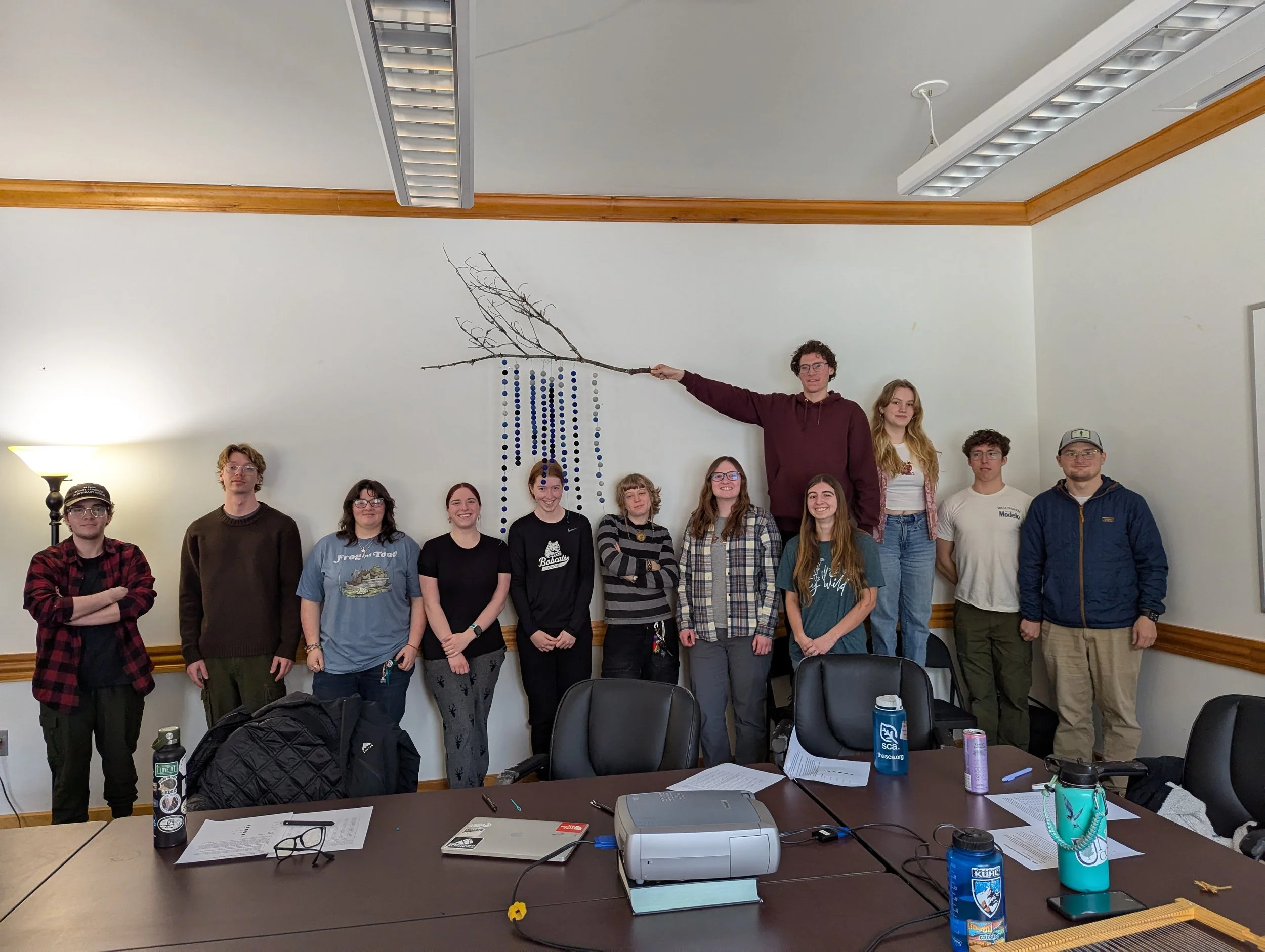
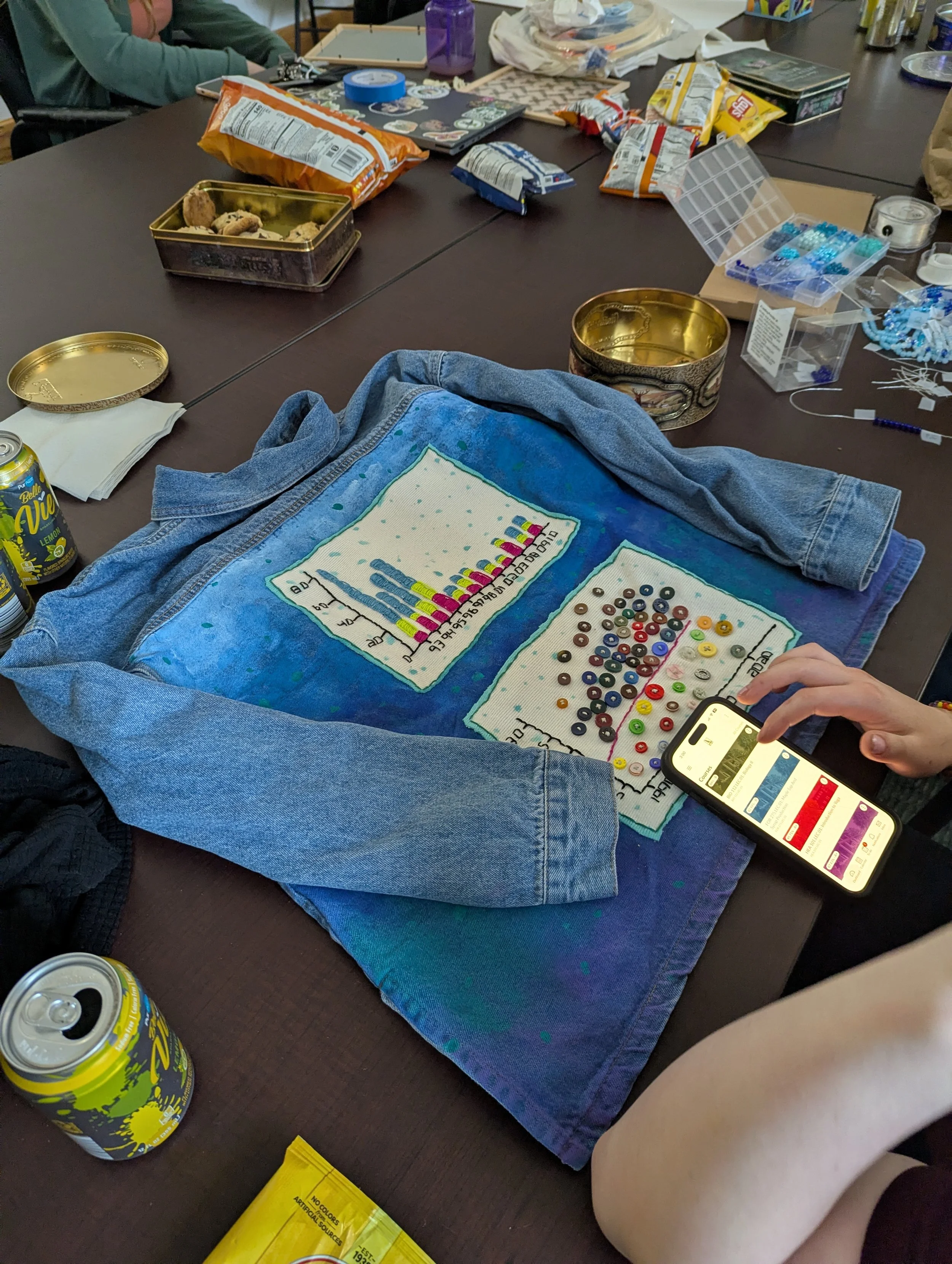
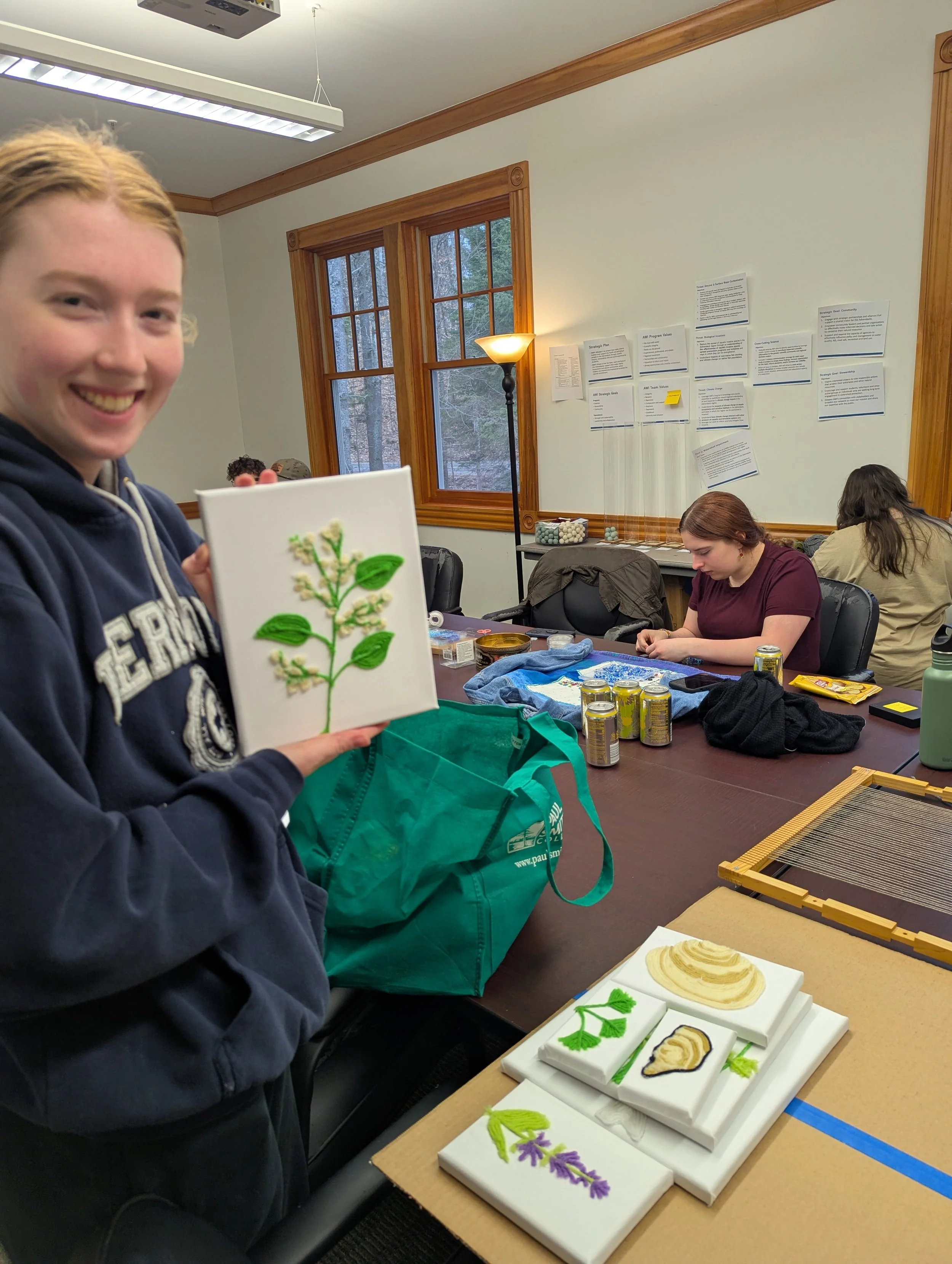
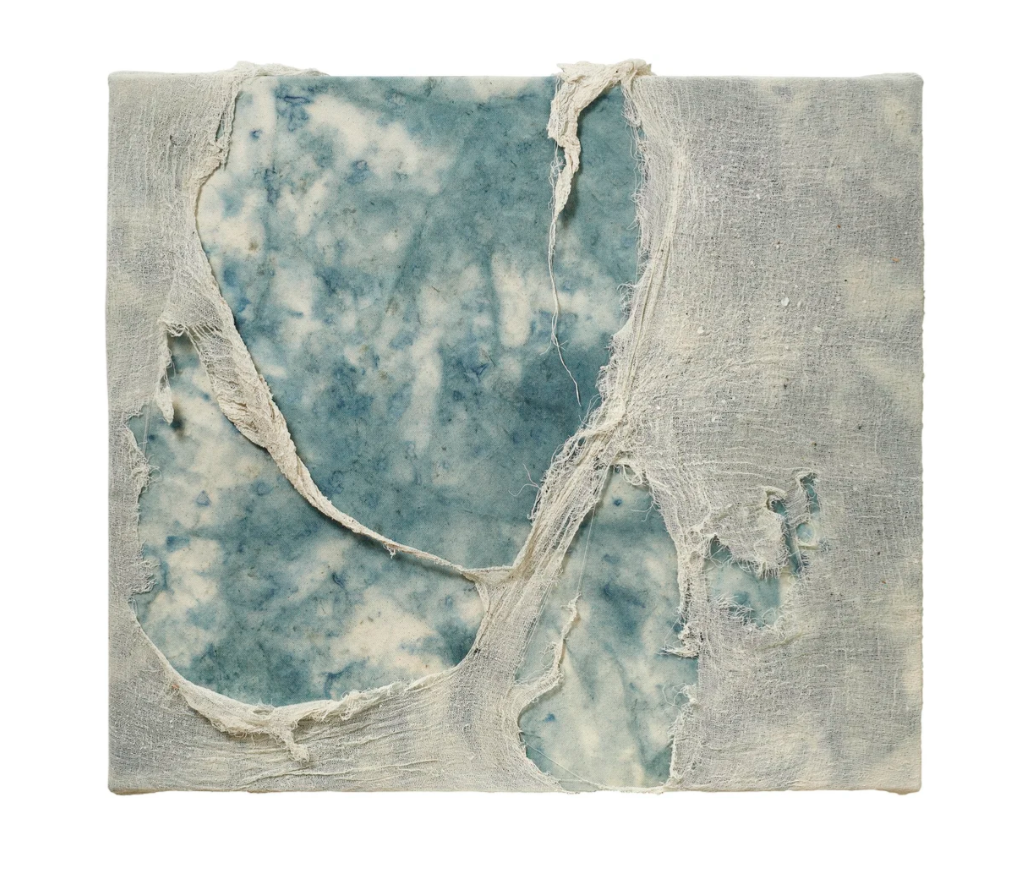
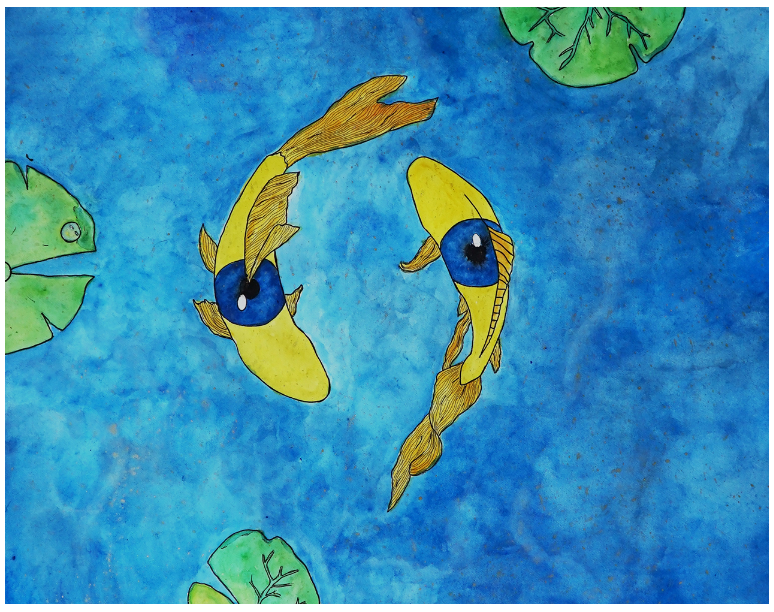
Inspired by our Wool & Water project, this initiative brings together students, artists, scientists, and community members to explore the intersections of science, creativity, and communication. This approach took shape in a course at Paul Smith's College, Science Communication Through the Arts, where students explored the intersections of science, creativity, and communication through hands-on experiences, visiting artists, and the creation of original artwork. The course was supported by the Lake Champlain Basin Program and each student developed an original art piece focused on a topic of their choosing related to the Lake Champlain Watershed.
Take a tour of the gallery below and explore the work created through this course to hear from students in their own words about the many ways artistic expression can bring environmental science to life.
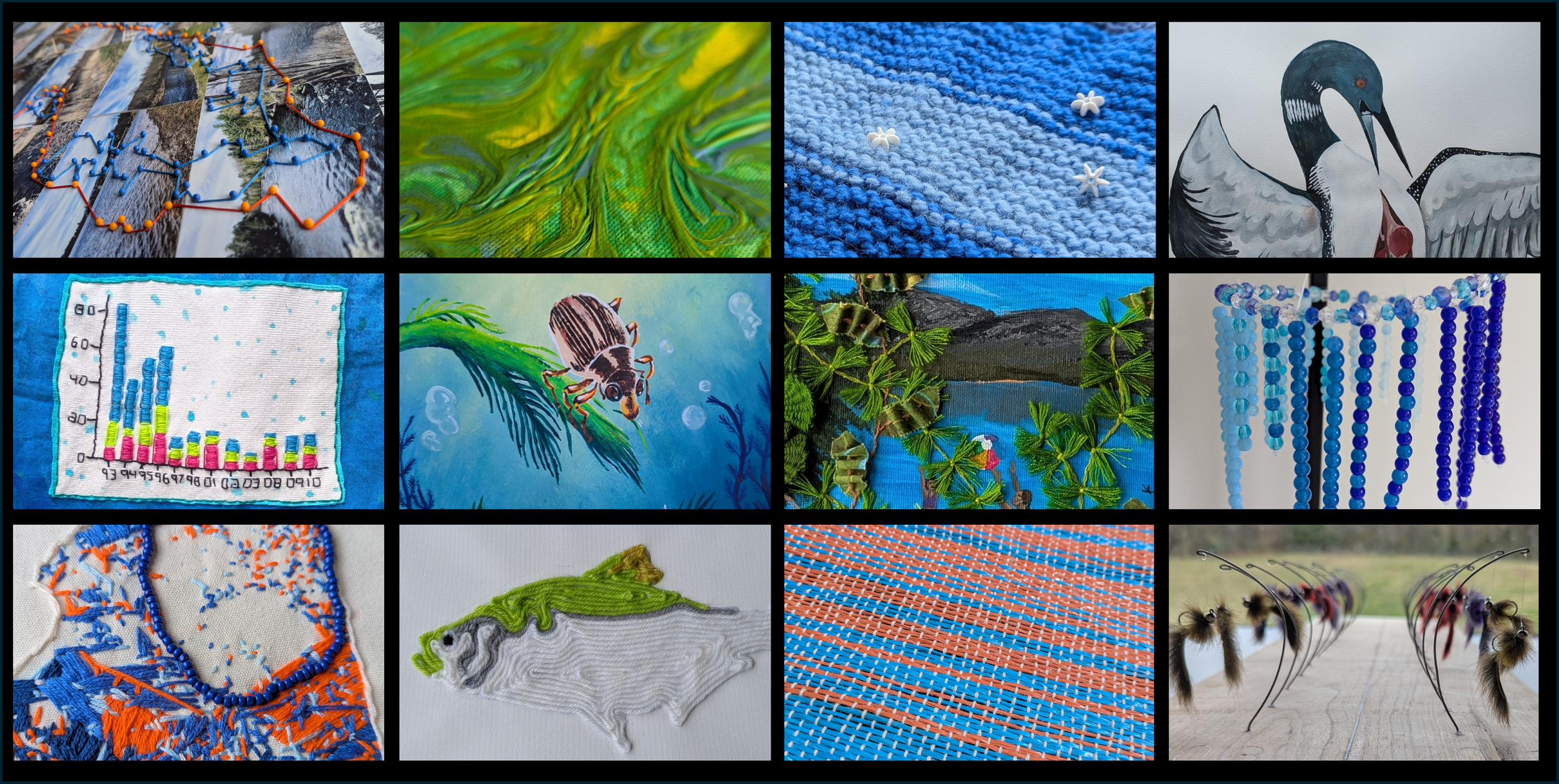
Student Artwork
Learning Together: Artists, Students, and Place
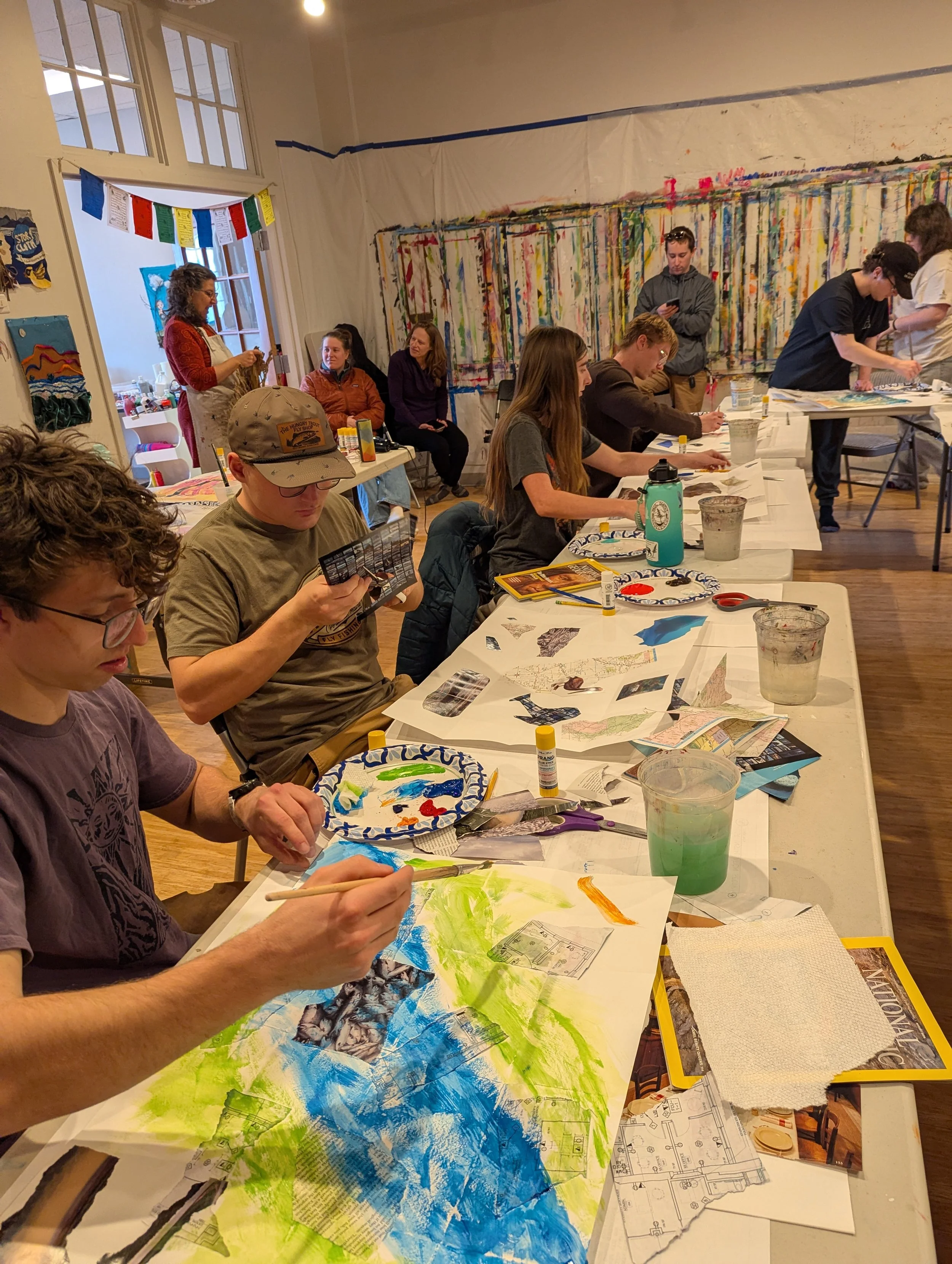
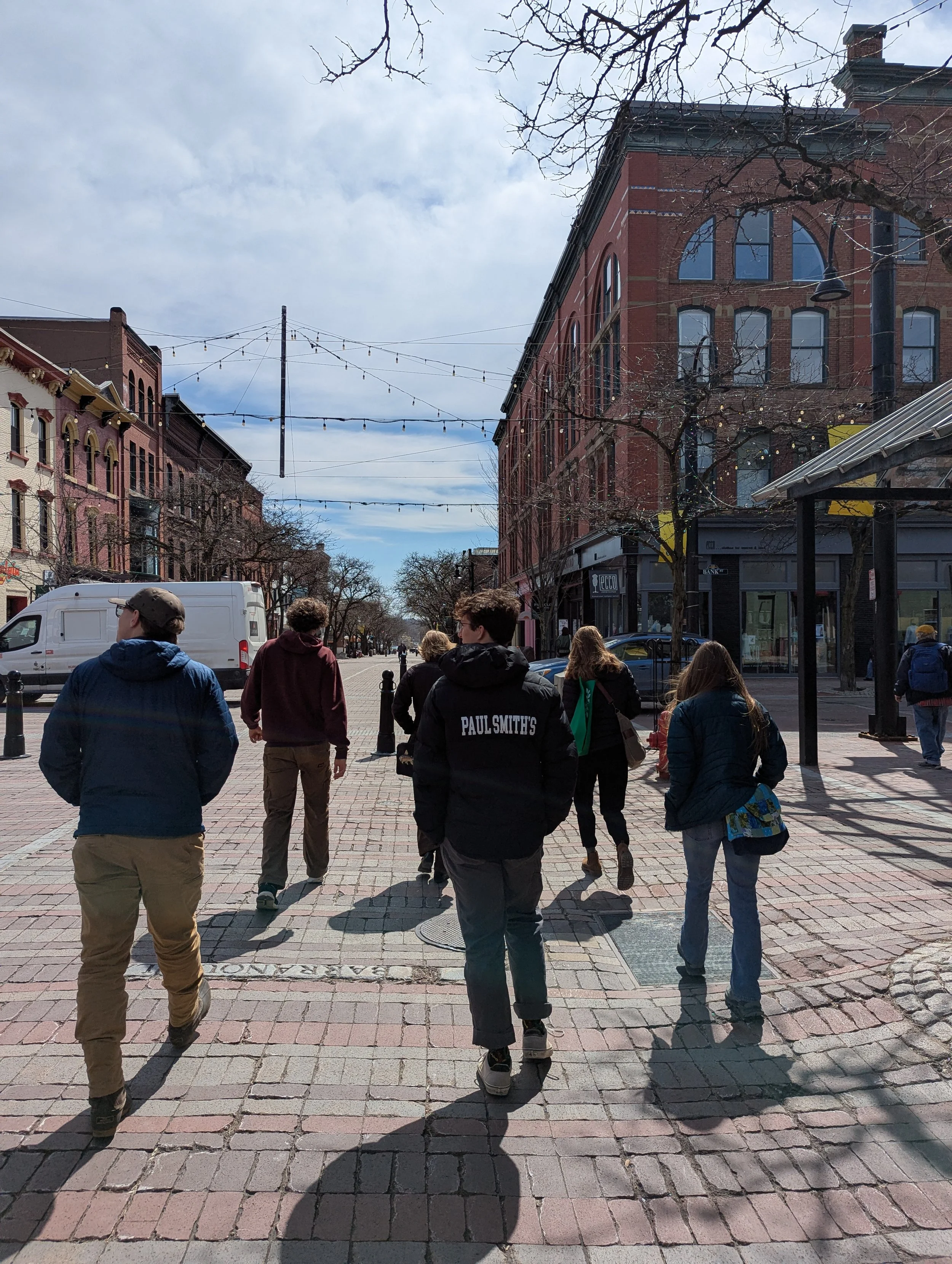
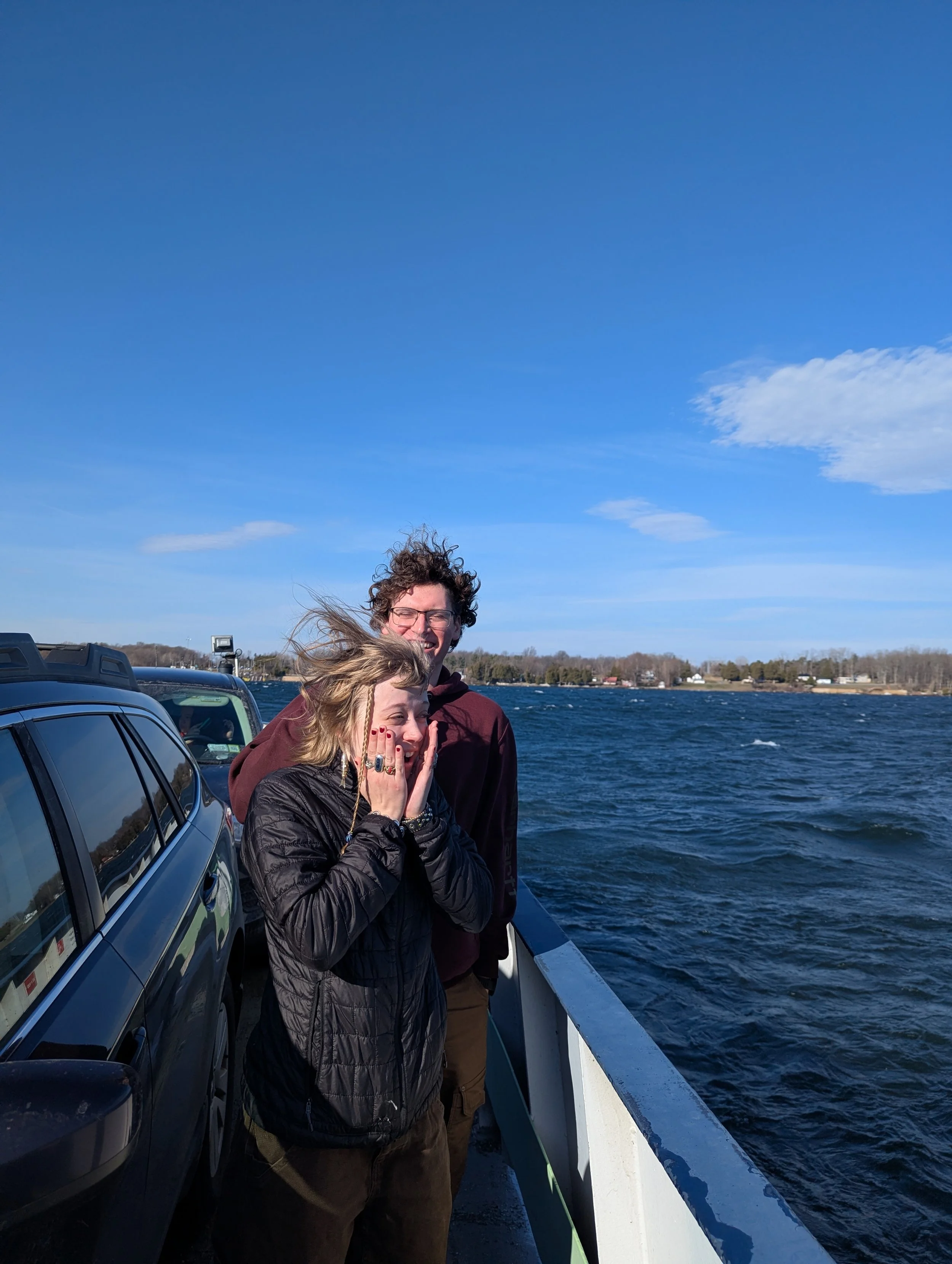
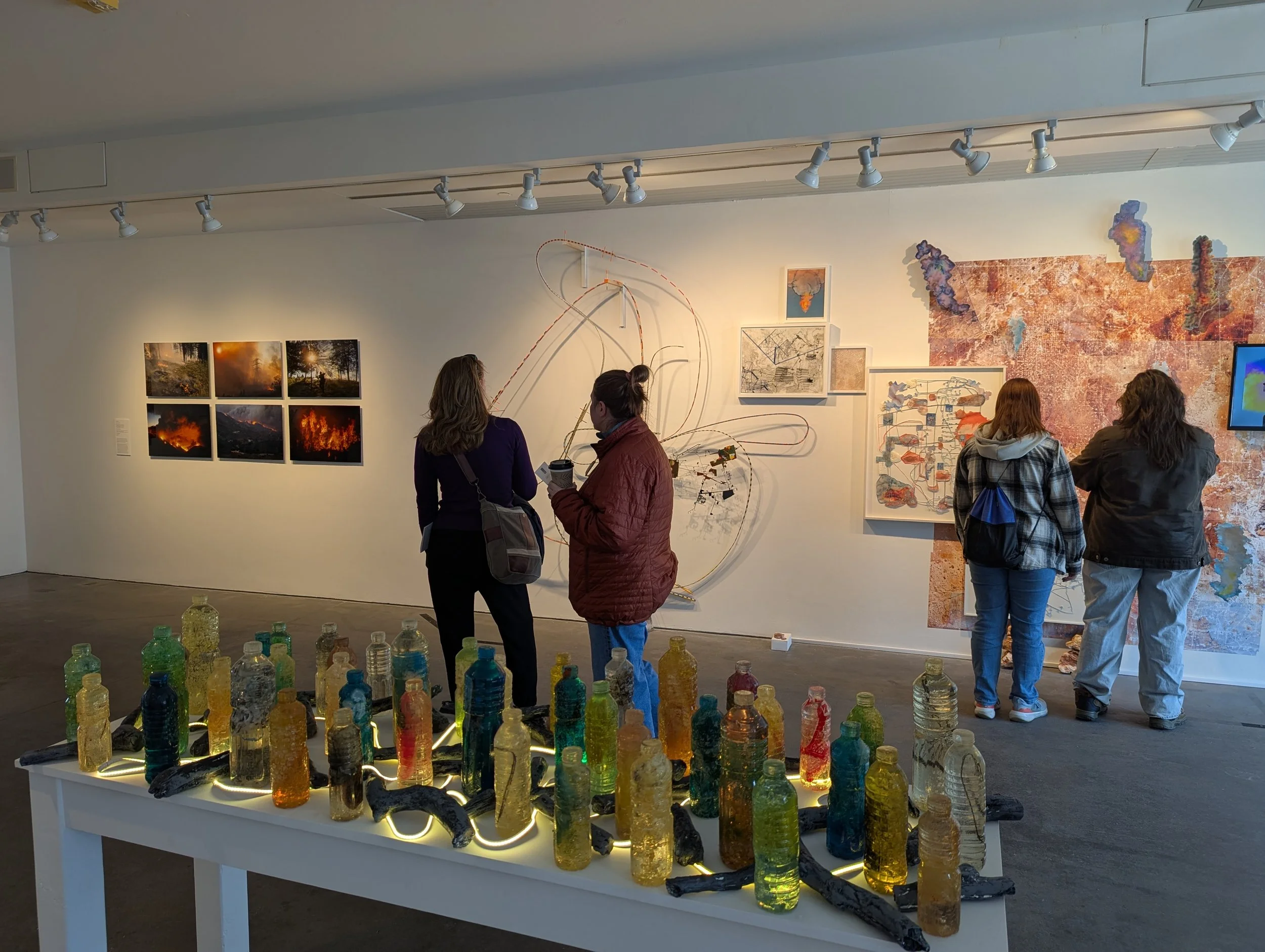
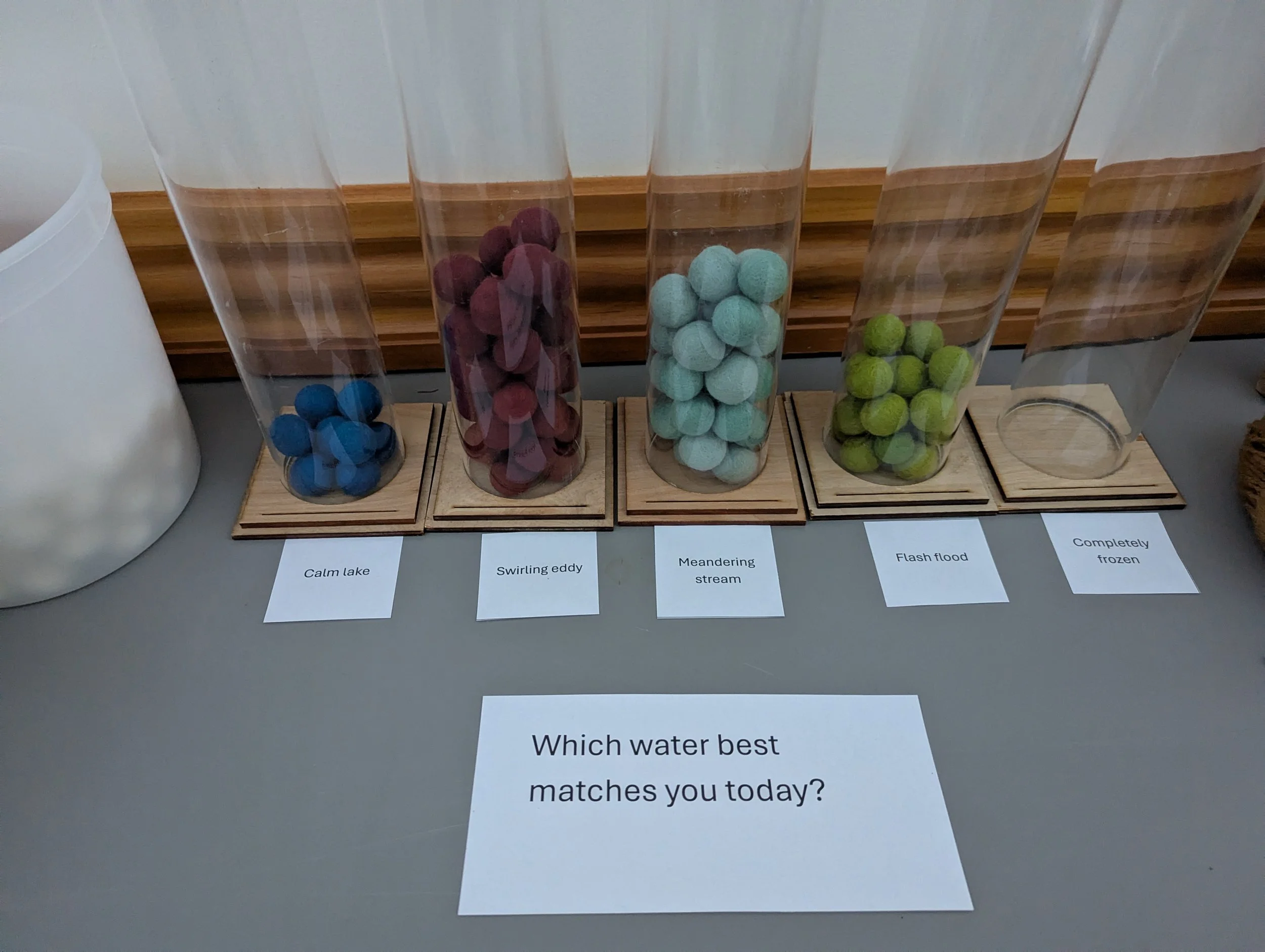
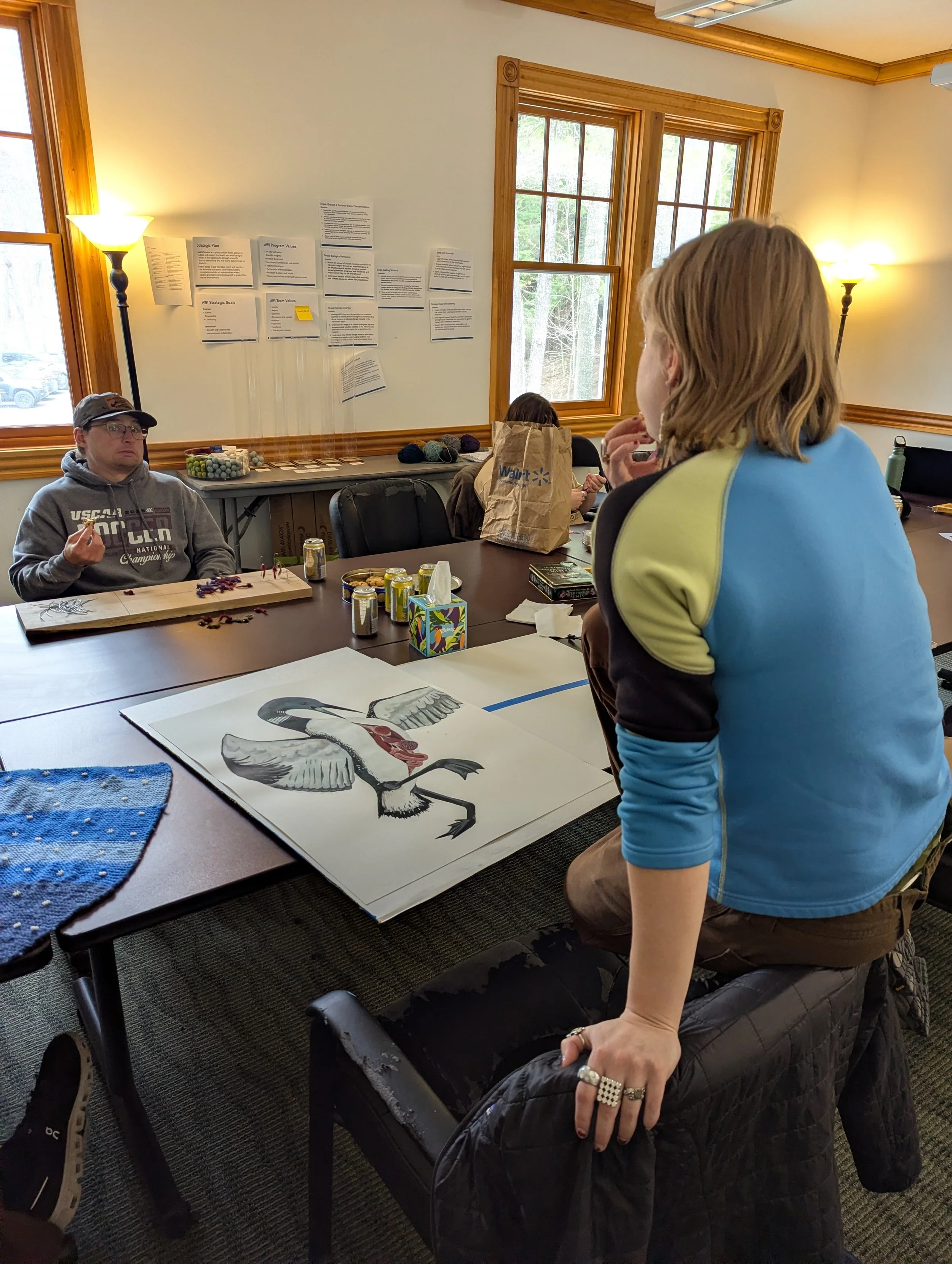
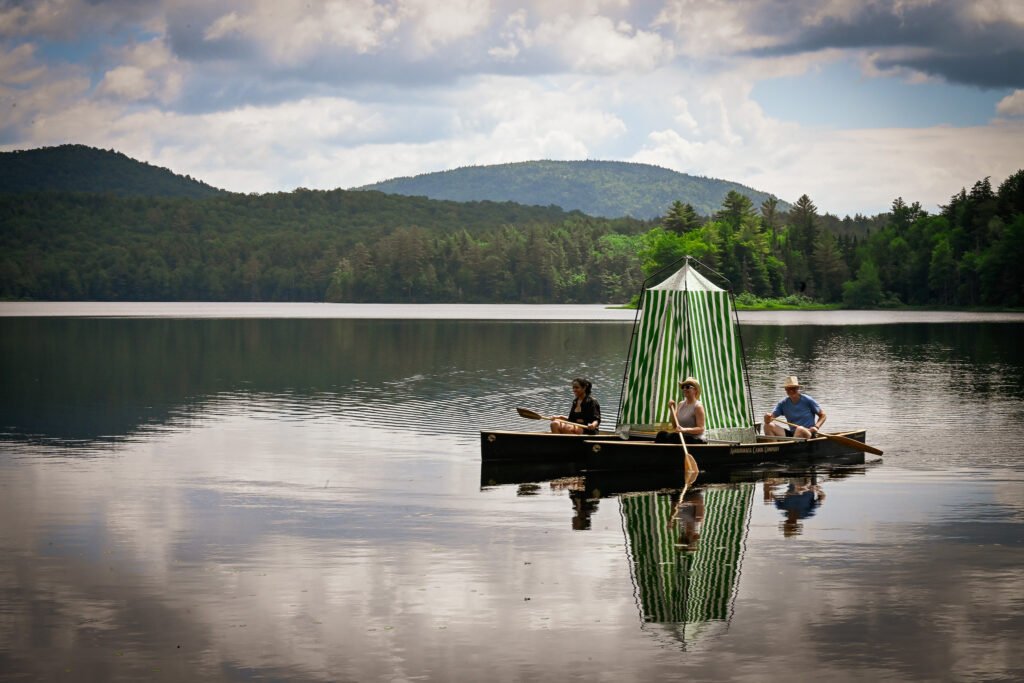
Experiences beyond the classroom, along with opportunities to learn from practicing artists and professionals, offer invaluable sources of inspiration. As part of the course, students traveled to the Champlain Valley for a day of exploration, visiting an art gallery and a science center, connecting with professionals in education and communication, and creating art of their own.
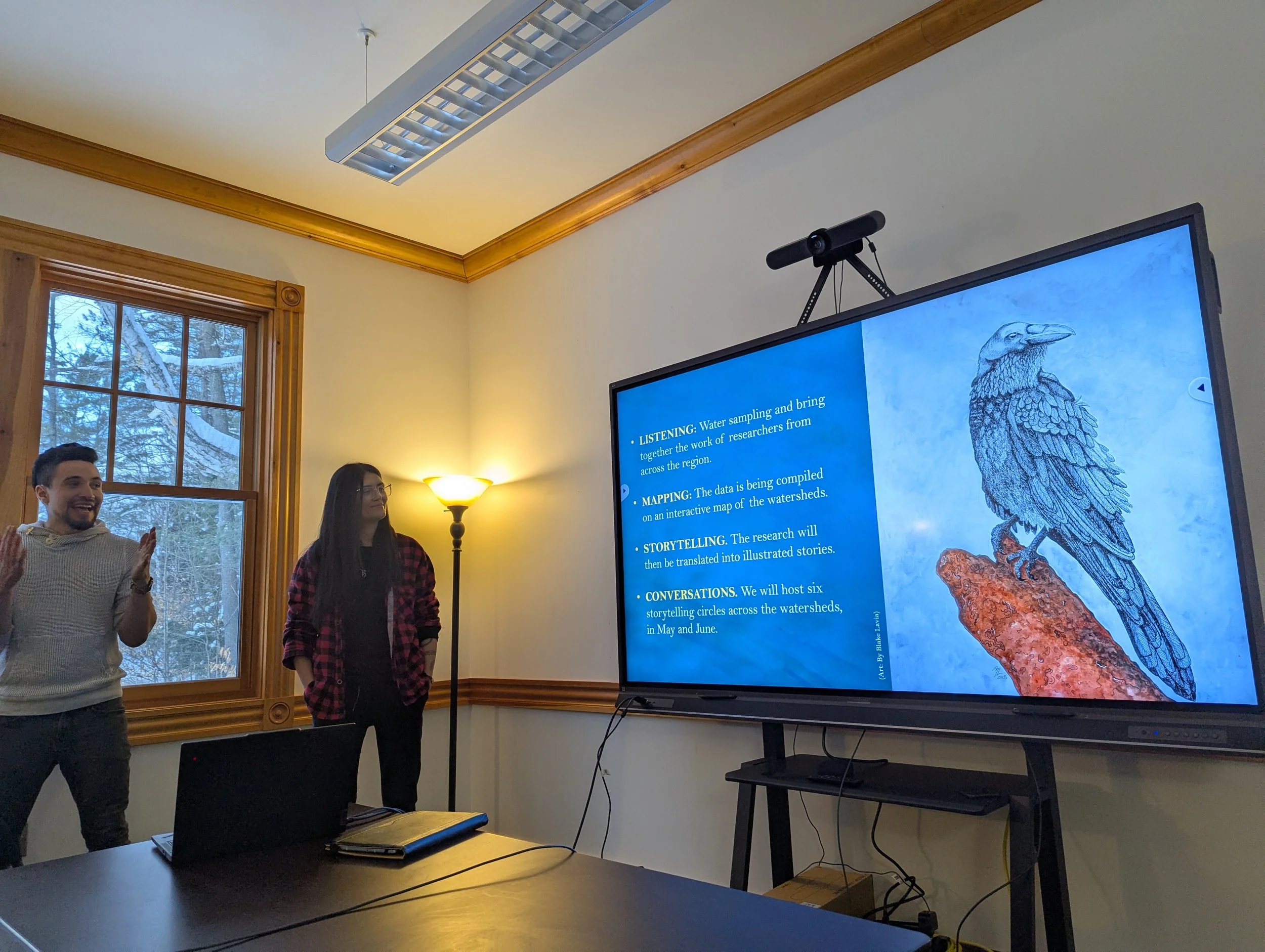
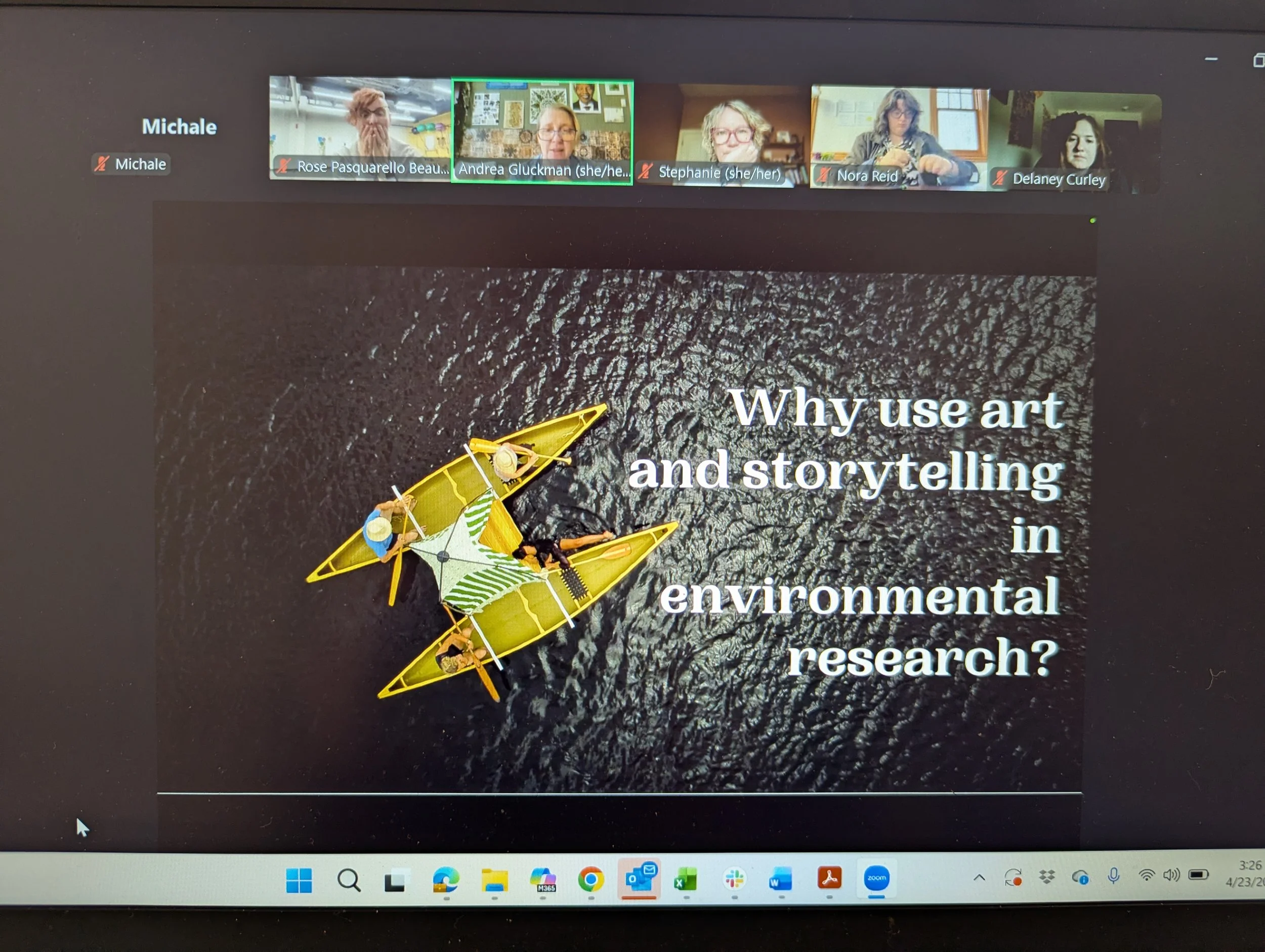
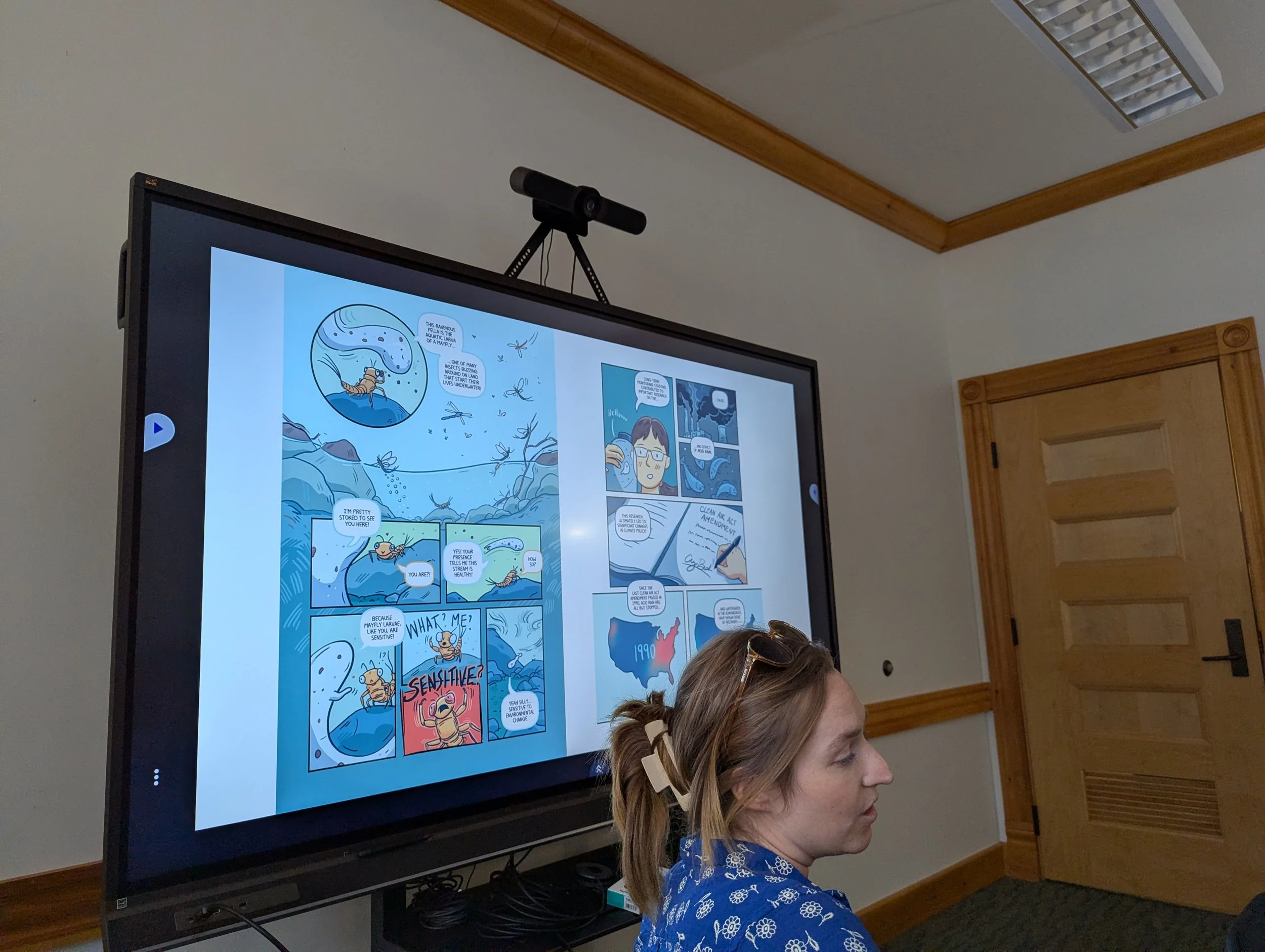
Throughout the course, visiting artists shared their creative practices, sources of inspiration, and powerful examples of environmental art. Through in-person visits and virtual conversations, students encountered a remarkable range of approaches: from making art out of road salt and listening to thawing permafrost, to communicating through comics, storytelling, illustration, dance, and performance. These experiences encouraged students to experiment with their own ideas and artistic mediums as they explored ways to communicate the challenges facing our environment and waterways.
Creative Voices and Approaches
We were fortunate to learn from the following artists and collectives, whose work offered students new perspectives on the possibilities of art as a form of science and environmental communication.
-
![]()
Nikki Lindt
Sound, visual art, and the changing Arctic landscape. Explore Nikki's work
-
![]()
Annie Hejny
Environmental art exploring road salt, freshwater pollution, and water protection. Explore the Salt project
-
![]()
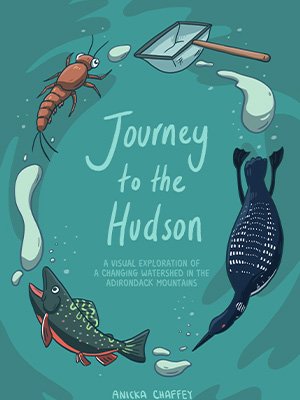
Anicka Chaffey
Comics and illustration as creative tools for making science accessible. Explore Anicka's work
-
![]()
Talking Wings
Storytelling and illustration as ways to engage with ideas and the world around us. Explore Talking Wings and Talking Rivers
-
![]()
EchoLab
Art as a tool for public engagement, integrating storytelling, visual arts, performance, and research. Explore EchoLab
-
![]()
Lara Roketenetz
Pattern, process, and strategy in the natural world as inspiration for design and innovation. Explore the great things Lara has going on at the University of Akron Field Station
-
![]()
Stephanie Tyski
Interactive media and game-based science communication. Explore Steph’s Aquatic Invaders game
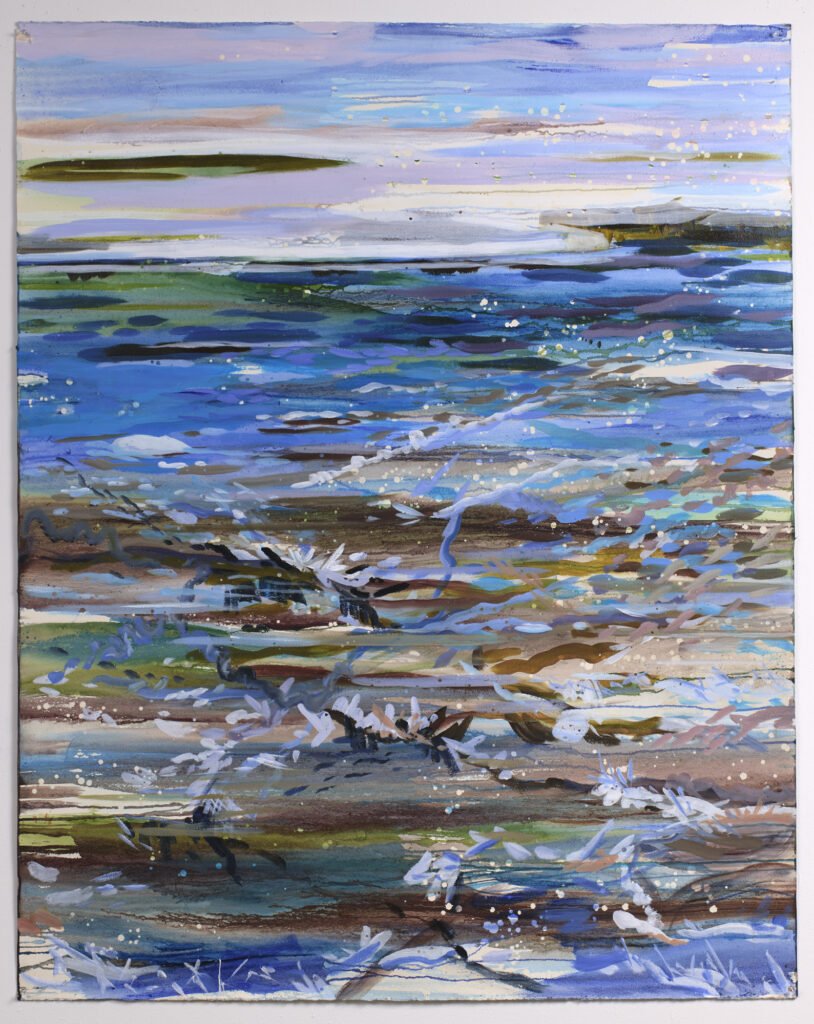
Science Communication Through the Arts is an approach we hope to continue exploring through future college courses and community-based experiences. By bringing together artists, scientists, educators, and community members, we hope to create opportunities for new forms of creative expression and public engagement with science. Interested in learning more or exploring a collaboration?
Funders
This project has been funded wholly or in part by the United States Environmental Protection Agency (U.S. EPA) under assistance agreement (LC 00A00981-0) to NEIWPCC in partnership with the Lake Champlain Basin Program. We have also benefitted from the support of the Champlain Valley National Heritage Partnership.